June 10, 2026
Trees add shade, beauty, privacy, and value to a property, but they can also become expensive problems when they are not properly maintained. Overgrown branches, weak limbs, hidden decay, root issues, and storm damage can create risks for roofs, gutters, siding, fences, driveways, utility lines, and nearby landscaping. Many homeowners do not think about tree care until a branch falls or a tree becomes visibly unstable. By that point, the damage may already be costly.
Regular tree maintenance helps homeowners identify and correct problems before they turn into major repairs. A professional tree service can inspect tree health, remove hazardous limbs, improve structure, and reduce the chance of damage during storms. Routine care is often much more affordable than emergency cleanup, roof repair, foundation work, or property restoration. Understanding how regular tree care saves money can help homeowners protect both their landscape and their home.
Preventing Roof and Gutter Damage
Tree branches that hang over a roof may seem harmless, but they can gradually cause damage. During windy weather, branches may scrape shingles, loosen roofing materials, or drop debris into valleys and gutters. Leaves, twigs, and seed pods can clog gutters, forcing water to overflow or back up under the roof edge. Over time, this can contribute to leaks, fascia damage, mold growth, and drainage problems around the home. Repeated contact between branches and roofing materials can also accelerate wear, shortening the lifespan of both the roof and gutter system.
Routine trimming helps keep branches at a safer distance from the roofline. It also reduces the amount of debris that collects in gutters and downspouts. A professional tree service can identify limbs that are too close to the home and remove them without harming the tree’s structure. This preventive care can help homeowners avoid expensive roofing repairs, water damage, and gutter replacement caused by neglected growth. Regular maintenance may also improve airflow around the roof, helping moisture dry more efficiently after rain and storms.
Reducing Storm-Related Property Damage
Storms can turn weak or overgrown trees into serious hazards. High winds, heavy rain, lightning, snow, and ice can cause limbs to break or entire trees to fall. When branches land on vehicles, fences, sheds, or homes, repairs can quickly become expensive. Even smaller branches can damage siding, break windows, dent gutters, or tear screens if they fall with enough force during severe weather. In some cases, fallen limbs may also block driveways, damage landscaping features, or interfere with utility lines, creating additional repair and cleanup expenses.
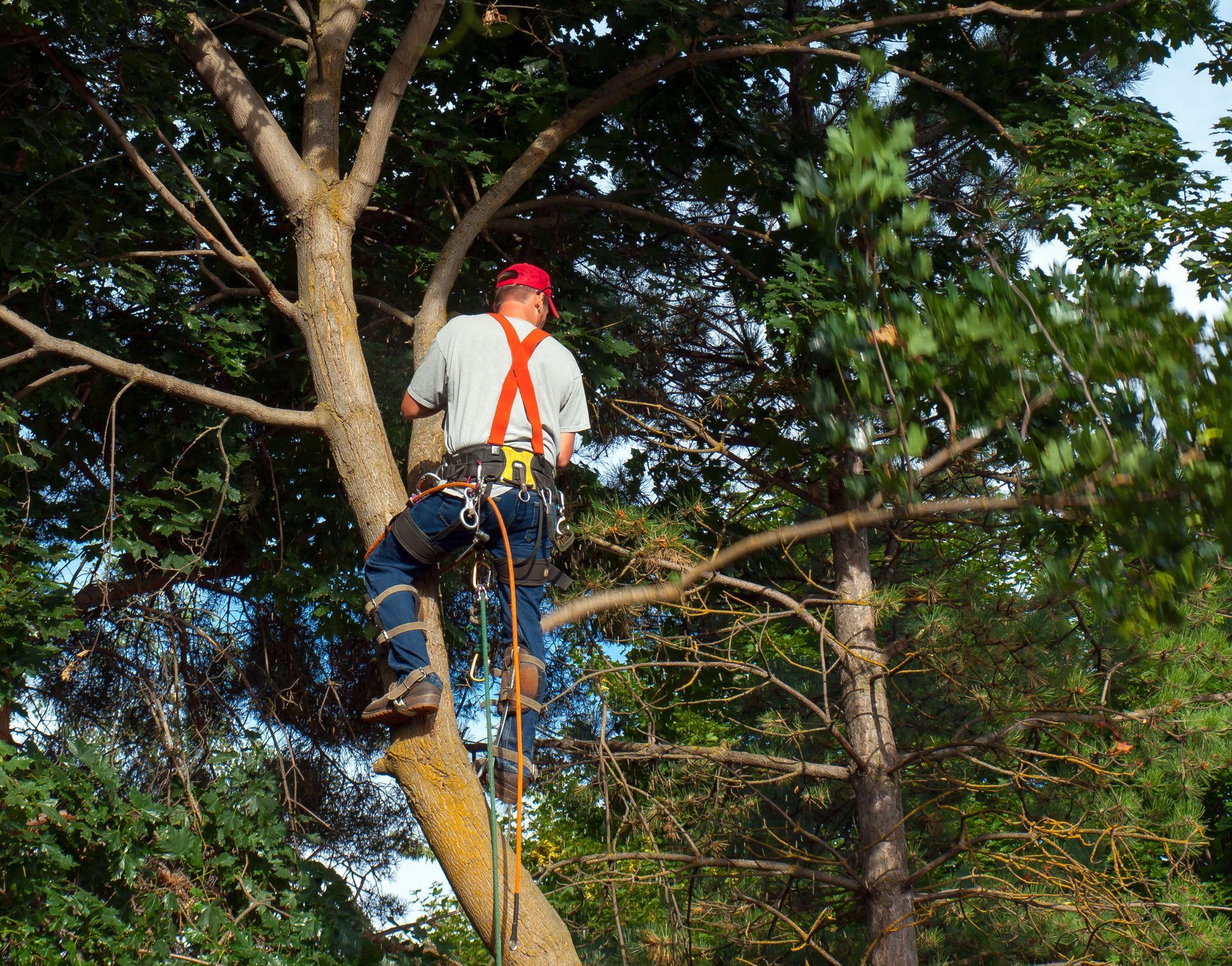
Regular inspections and pruning can reduce the amount of weak, dead, or unbalanced growth in a tree. Removing hazardous limbs before a storm is much less costly than repairing damage afterward. A qualified tree service can evaluate branch weight, tree structure, and signs of instability that may not be obvious from the ground. This proactive approach helps homeowners prepare their property before severe weather creates emergency situations. It can also improve overall tree health, allowing stronger branches to withstand seasonal weather conditions more effectively throughout the year.
Protecting Foundations and Hardscapes
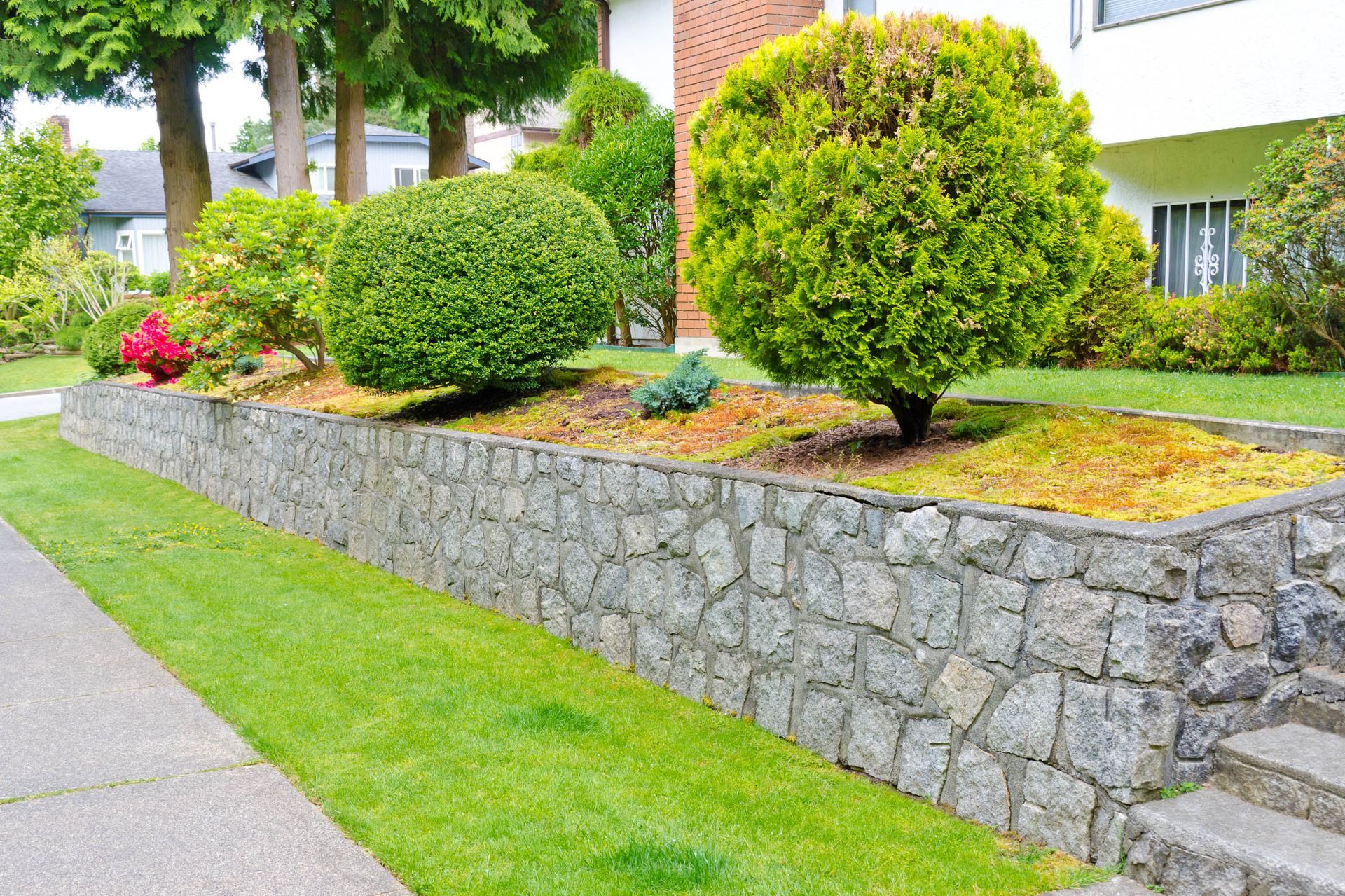
Tree roots are essential for stability and water absorption, but they can sometimes create problems when trees are planted too close to structures or paved areas. Roots may lift sidewalks, crack driveways, disturb patios, damage retaining walls, or interfere with underground systems. In some situations, roots may also contribute to moisture changes in the soil around a foundation. These issues can be expensive to correct if they are ignored for too long. As roots continue to grow, they may place increasing pressure on nearby surfaces and create safety hazards throughout the property.
Regular tree care helps identify root-related concerns before they become major structural problems. Professionals can assess whether a tree is too close to certain features and recommend trimming, monitoring, or removal when necessary. A tree service can also help homeowners make better decisions about planting new trees in locations that reduce future risks. Preventing root damage can save thousands in concrete repair, drainage correction, and structural restoration. Early intervention may also help preserve landscaping features and reduce the likelihood of extensive excavation work later on.
Identifying Disease and Decay Early
Tree disease and internal decay are not always easy to spot. A tree may look healthy from a distance while hidden problems develop inside the trunk, branches, or root system. Warning signs may include dead limbs, peeling bark, fungal growth, cracks, hollow areas, leaf discoloration, or sudden thinning in the canopy. If these issues are not addressed, the tree may weaken and become more likely to drop branches or fail completely. As deterioration progresses, the risk of property damage and safety hazards often increases, especially during periods of severe weather or high winds.
Routine inspections allow trained professionals to catch these concerns earlier. Early treatment, pruning, or removal may prevent the damage from spreading to nearby trees or threatening nearby structures. A professional tree service can determine whether a tree can be saved or whether removal is the safer and more cost-effective option. Addressing disease and decay early can help homeowners avoid emergency removal, cleanup costs, and damage caused by falling limbs. Regular evaluations also provide valuable insight into overall tree health and help support a safer, more attractive landscape.
Improving Safety Around the Property
Unmaintained trees can create safety hazards for anyone who lives on or visits the property. Low branches may block walkways, driveways, or entry points. Dead limbs may fall without warning. Overgrown trees can reduce visibility near roads or interfere with outdoor lighting. These issues can increase the risk of injuries, vehicle damage, and liability concerns for homeowners. Regular inspections and maintenance from a professional tree service can help identify and address these hazards before they become more serious problems.
Tree maintenance helps keep outdoor areas safer and easier to use. Trimming can raise low branches, remove deadwood, improve visibility, and create better clearance around structures. According to Forbes, trees that lean more than 15% from a vertical position may present safety risks and are often recommended for removal, even when they appear healthy. Regular professional evaluations help homeowners identify these risks before they lead to costly accidents or emergency repairs.
Preserving Long-Term Property Value
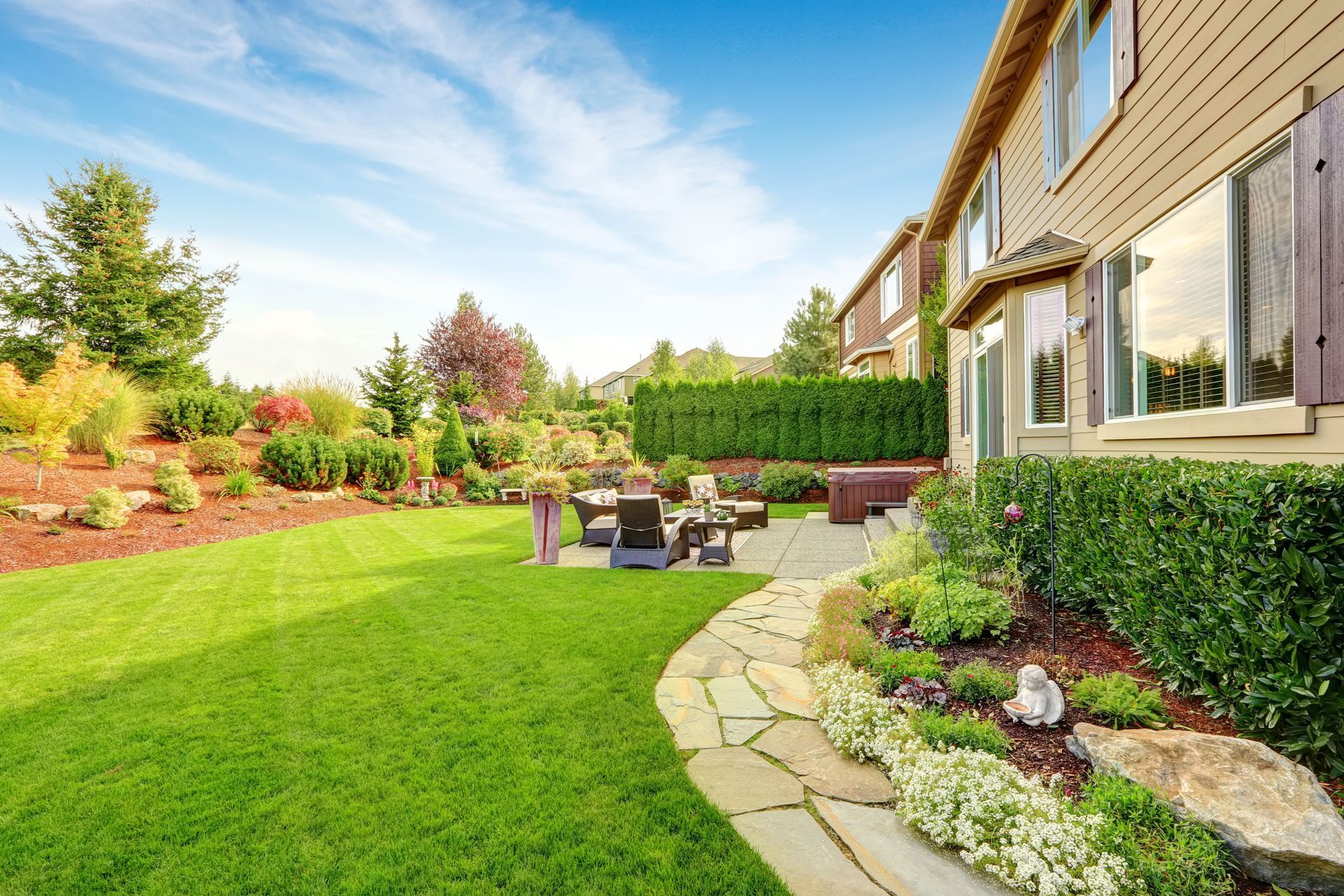
Healthy, well-maintained trees can improve curb appeal and make a property feel more established and inviting. However, neglected trees can have the opposite effect. Dead limbs, overgrown canopies, leaning trunks, and visible decay may make a property look poorly maintained. These concerns can also raise questions during inspections, appraisals, or property sales, especially if trees appear close to the home or other structures.
Consistent tree care supports both appearance and function. Proper pruning helps trees grow in a stronger shape, while inspections help homeowners plan ahead for removal or replacement when needed. Regular maintenance can also prevent sudden expenses that disrupt budgets. Instead of reacting to urgent problems, homeowners can manage tree care as part of a long-term property maintenance plan that protects value and reduces financial surprises.
Regular tree care is one of the most effective ways to prevent expensive property repairs. By maintaining branches, monitoring tree health, improving safety, and addressing risks early, homeowners can reduce the chance of roof damage, gutter problems, storm cleanup, hardscape repairs, and structural concerns. Trees are valuable parts of a landscape, but they need professional attention to remain safe, attractive, and beneficial over time.
Waiting until a tree becomes dangerous or causes damage can lead to much higher costs than routine maintenance. A dependable tree service can help homeowners protect their property, plan ahead, and avoid preventable repairs. If your trees need inspection, trimming, maintenance, or removal, contact Mills Services today.