April 20, 2026
A property’s outdoor environment significantly influences how it is perceived, enjoyed, and ultimately valued. From residential homes to commercial spaces, exterior presentation shapes first impressions and contributes to the long-term condition and usability of the land. Routine landscaping care not only creates a visually appealing and welcoming setting but also supports environmental sustainability, reduces repair costs, and enhances functional outdoor areas. These ongoing efforts form a strategic component of property upkeep that influences both day-to-day quality of life and long-term financial outcomes. As part of this broader perspective, landscaping is not merely decorative; it is an investment that affects safety, accessibility, and structural stability across outdoor features such as trees, walkways, irrigation systems, and lawns. In today’s market, where aesthetics and outdoor living are highly valued, consistent care remains one of the most influential contributors to preserving and increasing property value.
According to IBISWorld, the U.S. landscaping market was valued at $153 billion in 2024, reflecting the widespread reliance on outdoor maintenance and improvement services across residential, commercial, and public sectors. This growth underscores the recognition of outdoor spaces as important elements of property management and lifestyle design. Whether the goal is enhancing curb appeal, improving drainage and soil health, introducing new gathering areas, or maintaining safety around trees and paved surfaces, addressing outdoor needs regularly ensures that the investment in the property continues to yield returns. As homeowners and property managers increasingly prioritize outdoor environments, understanding the importance of routine care becomes essential to making informed decisions about ongoing maintenance and upgrades. Routine landscaping is not only a response to wear and climate conditions but also a proactive strategy to increase attractiveness, usability, and long-term resilience.
Enhancing Curb Appeal and Market Attractiveness
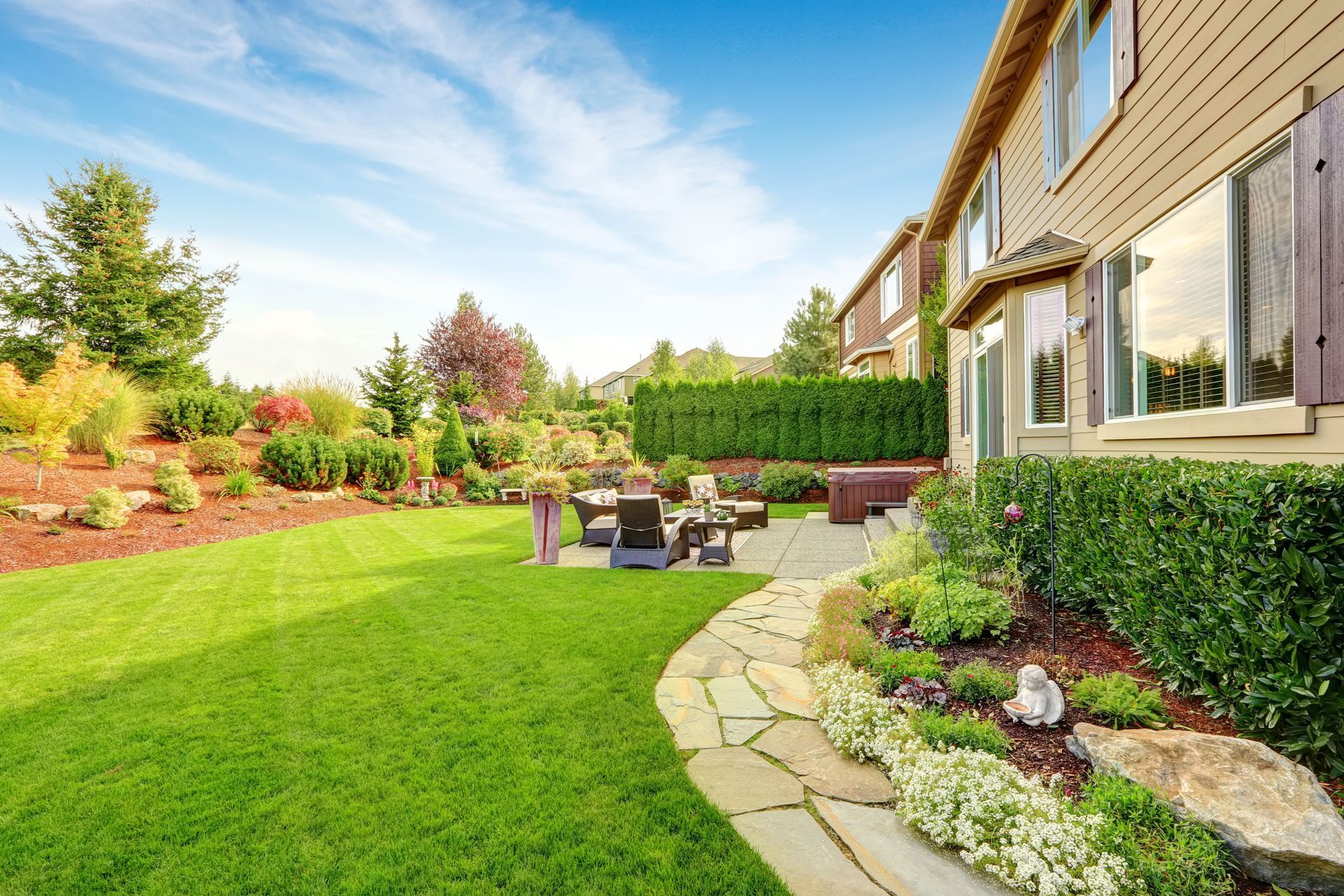
The exterior of a property is often the first aspect that potential buyers or guests encounter, making its appearance critical in shaping impressions. Well-maintained lawns, healthy trees, clean walkways, and a balanced composition of natural and built elements create a cohesive visual experience that conveys care and value. When a property looks neat and inviting, it suggests that the structure itself is also well maintained, subtly influencing perceptions of quality. Professional care ensures that plant growth remains controlled, trees remain structurally sound, and plant selections complement the architectural style and environmental conditions. This kind of stewardship enhances not only aesthetic appeal but also the perceived worth of the property.
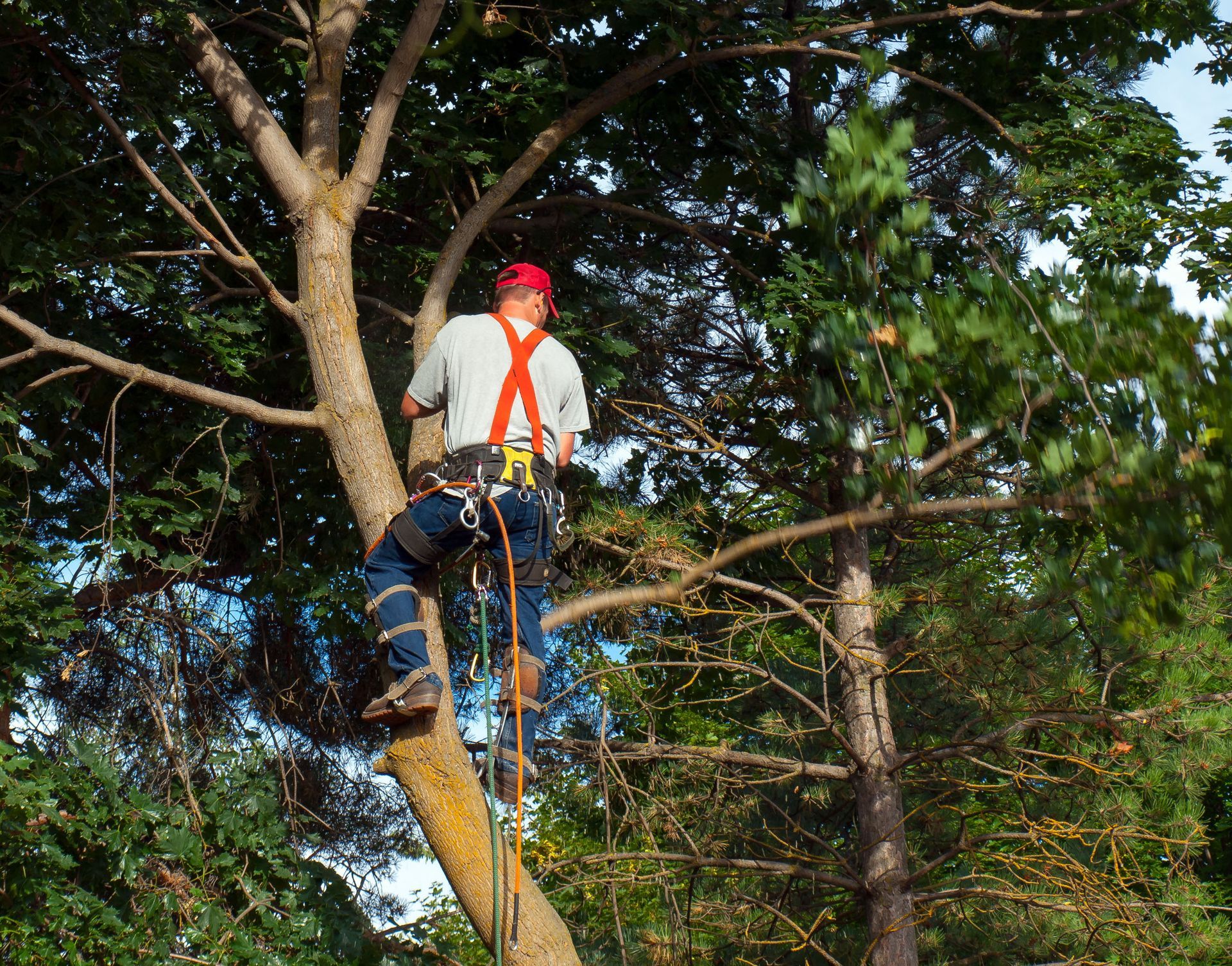
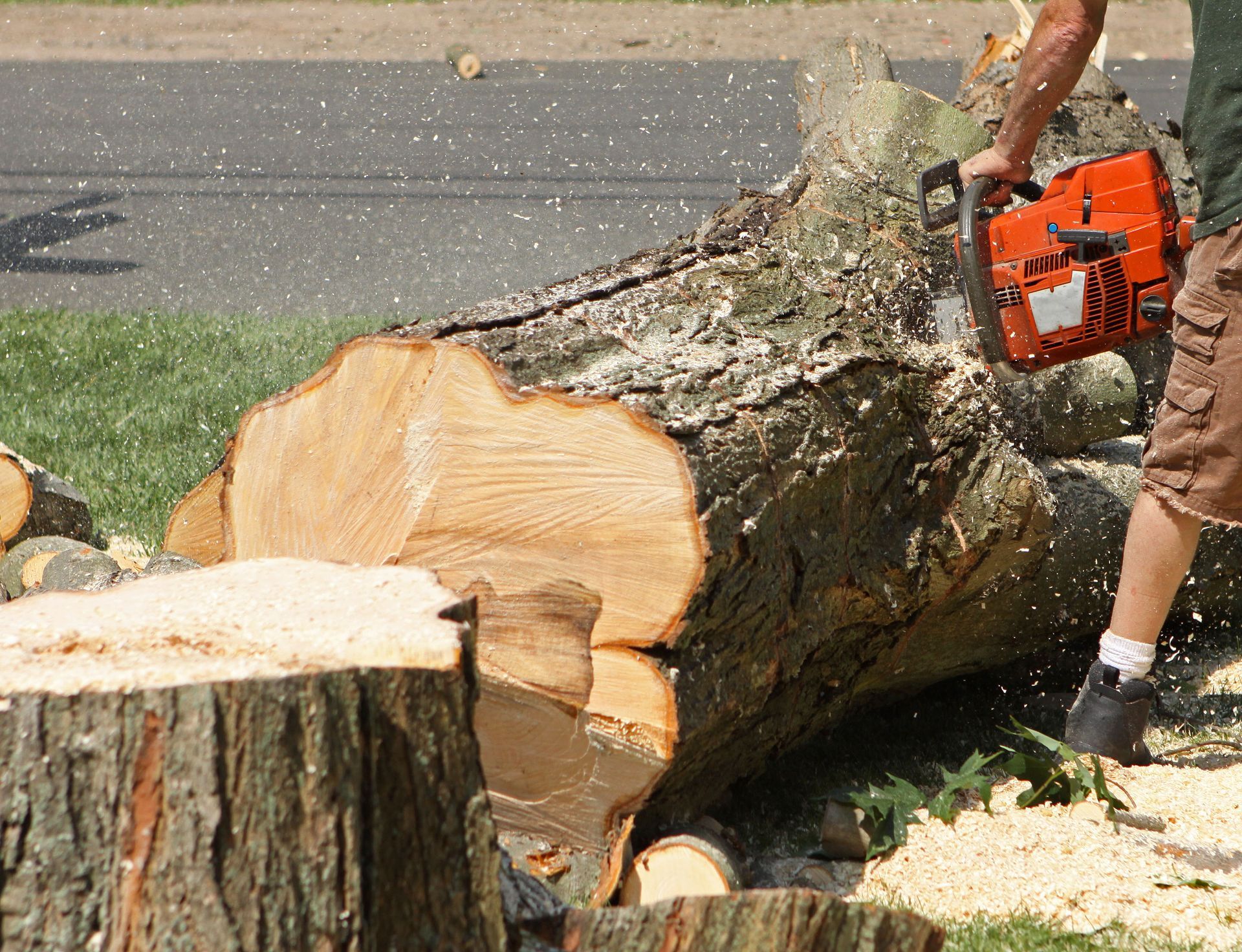
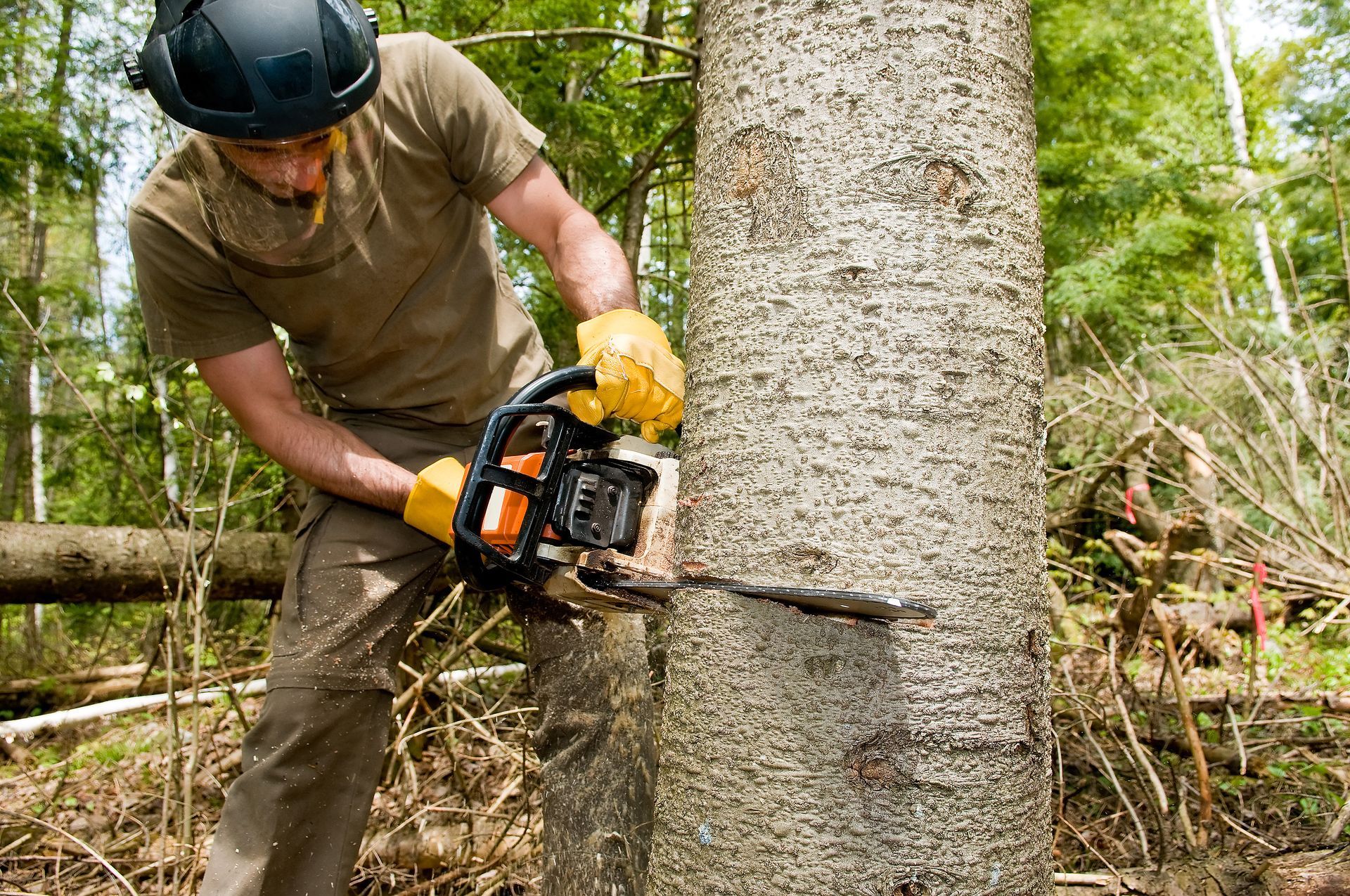
Routine care may include mowing, pruning, seasonal refreshes, mulch application, and edging, as well as ongoing evaluation of plant health. Tree services contribute to both aesthetics and safety by addressing dead limbs, disease, and storm damage. When trees are monitored and maintained, hazards such as falling branches are minimized, and the property retains a polished, orderly appearance. Walkways, patios, and driveways, constructed through specialized hardscaping, contribute to visual structure while providing stable access routes. Ensuring that these surfaces are well preserved prevents cracking, uneven settling, and staining, which can detract from appearance and usability.
The ability to create visual cohesion between fences, gates, stone features, turf, and greenery further contributes to long-term appeal. For commercial properties, curb appeal supports brand presentation and customer impressions, while for residential owners, it enhances pride of ownership and neighborhood reputation. Routine landscaping services used consistently ensure that these aesthetic advantages remain steady throughout seasonal transitions.
Supporting Environmental Sustainability and Property Health
Outdoor environments operate as complex ecological systems. Soil quality, water distribution, plant selection, and erosion control all affect how a property develops and endures over time. Regular maintenance supports these natural systems by ensuring that vegetation remains well adapted to the climate. When plants receive appropriate care and irrigation, they are more resilient to stressors such as pests, drought, and temperature fluctuations. Moreover, thoughtful landscaping design enhances biodiversity and supports beneficial organisms that contribute to soil and plant health.
One key component of environmental support is proper irrigation. Efficient systems such as drip and sprinkler configurations help distribute water evenly across lawns and gardens. When installed and maintained correctly, irrigation prevents issues such as soil erosion, weed growth, and water waste. Routine inspections ensure that valves, sprinkler heads, and lines are functioning correctly and delivering water at the appropriate times. This promotes a sustainable balance by preventing both overwatering and underwatering, each of which can lead to weakened plant systems and increased maintenance needs.
Additionally, lake or pond services, including dredging and aquatic weed removal, help maintain clean and balanced aquatic environments. These services improve water clarity, prevent invasive species from spreading, and support the broader ecological function of water features. For properties that rely on outdoor natural elements as focal points, these measures preserve beauty and maintain ecological integrity.
Environmental stewardship also includes assessing tree health. Early detection of disease or infestation prevents costly removal and protects surrounding vegetation. When trees are preserved and nurtured rather than removed, properties sustain shade coverage, improved air quality, and natural aesthetic character. The routine nature of such care makes it easier to intervene before issues escalate. Consistent landscaping services offer a proactive approach to sustaining environmental balance.
Improving Functional Outdoor Living and Usability
Outdoor areas hold increasing value as extensions of interior living spaces. Patios, seating areas, walkways, play spaces, and garden zones transform exterior environments into places where families gather, entertain, and relax. Hardscaping plays a crucial role in establishing these functional spaces, offering durable surfaces that resist weather and daily use. Walkways create clear paths that enhance accessibility and prevent damage to surrounding vegetation. Patios serve as gathering spaces outfitted with seating, outdoor kitchens, or recreational features. Driveways designed with attention to grade and drainage support both convenience and structural protection.
Artificial turf offers another functional solution, particularly in areas where traditional grass may be difficult to maintain. It provides a consistent, low-maintenance surface useful for play areas, pet zones, or decorative applications. It remains visually appealing year-round and requires significantly fewer resources to maintain. Its usefulness increases when paired with thoughtful placement and edging that complements surrounding landscaping elements.
Fences and gates add structural value by delineating property boundaries, increasing security, and supporting privacy. They play both functional and aesthetic roles, integrating into the overall visual unity of the property while addressing practical needs. When these elements are maintained consistently, they reduce wear, prevent corrosion, and extend longevity.
Routine landscaping services ensure that the usability and visual cohesion of these areas remain consistent. By addressing wear, plant overgrowth, surface settling, and fencing maintenance, outdoor areas remain safe, inviting, and functional across all seasons.
Preserving Long-Term Property Condition and Financial Value
Long-term property value is deeply affected by how well outdoor features are maintained over time. Neglected trees can become hazardous, cracked pavement can create safety risks, and unmanaged irrigation can cause flooding or soil depletion. These issues often escalate into costly repairs when left unaddressed. Routine care identifies early signs of wear or deterioration and provides solutions before damage broadens.
Tree root systems, for example, can impact driveways, walkways, and foundations if not monitored and managed. Regular diagnostics allow property owners to adjust irrigation patterns, introduce root barriers, or schedule pruning to protect structural elements. Similarly, maintaining stonework and hard surfaces helps prevent uneven settling, water infiltration, and freeze-thaw damage, particularly in colder climates.
Handyman services complement property preservation by addressing small issues that arise over time. These may include fence repairs, pressure washing, deck maintenance, and surface restoration. While small individually, these tasks collectively uphold the integrity and appearance of the property. When taken together, they form a comprehensive preventive strategy that reduces major repair needs and supports long-term value retention. Call Mills Services today to schedule your home repair or maintenance service.