
May 15, 2026
Achieving a lush, vibrant yard requires consistent hydration, which is often difficult to maintain through manual watering methods. Homeowners seeking a pristine landscape eventually realize that dragging hoses across the grass becomes a tedious chore. A beautiful lawn demands an efficient delivery method to ensure every blade of grass receives adequate moisture without unnecessary runoff. Upgrading your property with an automated solution requires specialized knowledge to guarantee optimal performance and longevity.
The transition to a dedicated sprinkler system offers unmatched convenience when handled by experienced contractors. Proper watering prevents shallow roots and discourages weed proliferation, fostering a resilient landscape. By distributing water evenly, landscape technicians help residents avoid dry patches and oversaturated zones that damage delicate turf. Hiring professionals for the installation process empowers homeowners to protect their landscaping infrastructure and long-term property investments without the stress of manual labor.
Evaluating the Unique Topography Layout
Designing an effective watering strategy begins with a thorough evaluation of the property conducted by seasoned experts. Surveying the landscape allows contractors to identify varying water needs across different zones, such as sunny expanses and shaded corners. Mapping out these unique environmental factors prevents both dehydration and excessive soaking. Careful observation during this phase guarantees that the finalized blueprint caters specifically to the unique topography of the yard.
An accurate site map serves as the foundation for the entire project. This schematic must detail property boundaries, existing structures, pathways, and large vegetation that might obstruct spray patterns. Identifying the location of underground utilities is essential, and professionals possess specialized tools to locate these hazards to prevent accidental damage during excavation. Taking time to map these elements meticulously ensures a smooth workflow and eliminates costly surprises during later stages.
Calculating water pressure and flow rate is another crucial step before selecting any equipment. These measurements dictate how many spray heads can operate simultaneously on an individual valve. Insufficient pressure leads to weak coverage, while excessive pressure causes misting and evaporation. Matching the property's hydraulic capabilities to the irrigation demands guarantees optimal performance from every component incorporated into the final layout.
Dividing the yard into distinct hydrozones maximizes efficiency and protects plant health. Turfgrass typically requires different hydration schedules than flowerbeds or vegetable gardens. Grouping plants with similar moisture requirements onto the same circuit prevents the common issue of overwatering drought-tolerant species. This strategic zoning ensures that the new sprinkler system delivers tailored hydration to every distinct botanical grouping across the property under expert guidance.
Sourcing the Commercial Irrigation Components
Choosing high-quality materials ensures the longevity and reliability of the outdoor hydration network. Experienced contractors have access to a vast array of commercial-grade pipes, valves, and emitters designed for varying applications. Polyethylene tubing provides flexibility for colder climates, while rigid polyvinyl chloride pipes offer exceptional durability. Matching the piping material to the regional climate and soil conditions prevents premature degradation and minimizes future maintenance requirements.
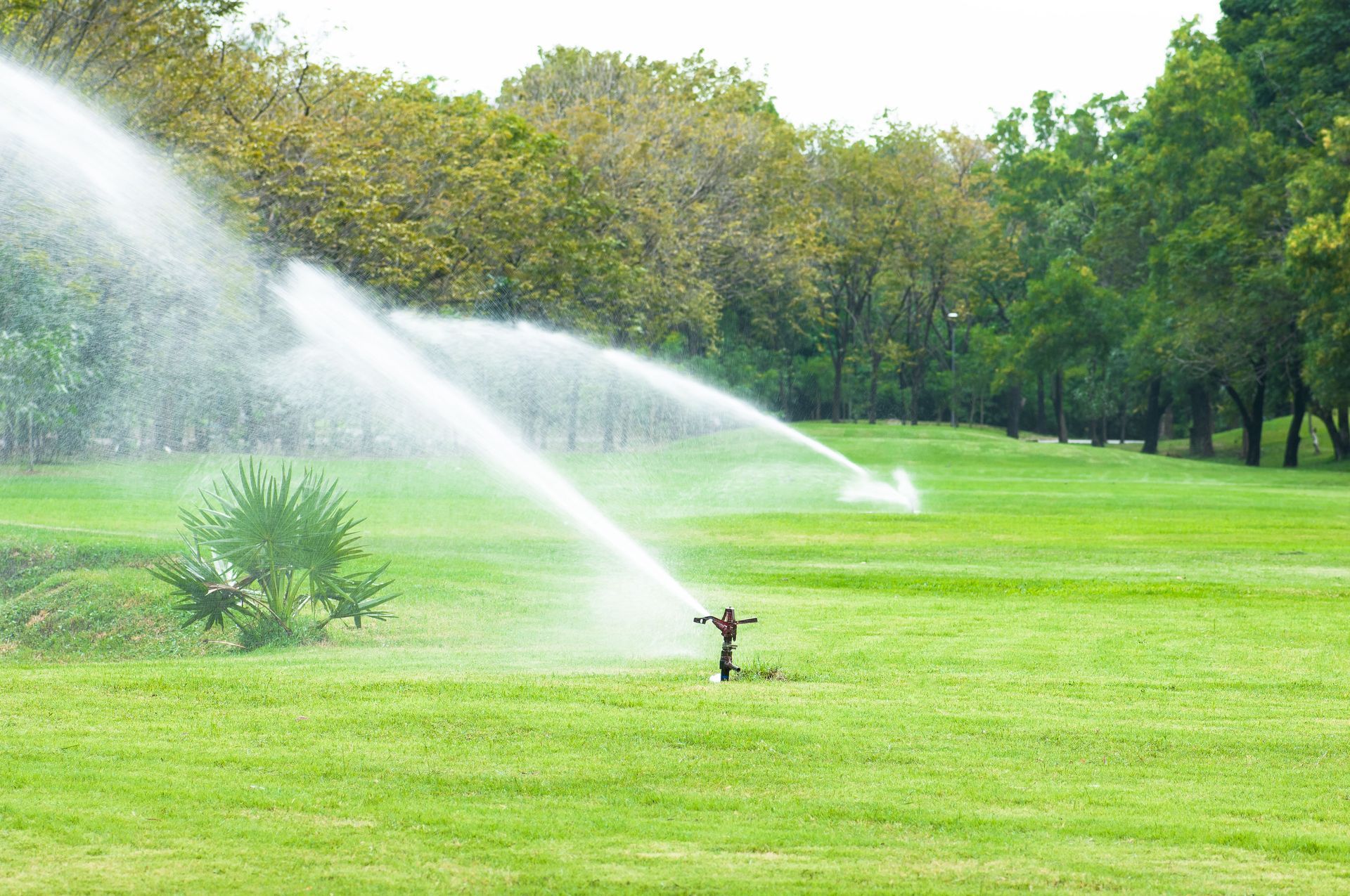
Selecting appropriate spray heads is vital for achieving uniform precipitation over the lawn. Rotary heads cast broad streams of water, making them perfect for expansive grassy areas. Conversely, fixed spray heads provide a steady, fan-like pattern suited for intricately shaped lawns. Evaluating the dimensions of each zone allows the expert installer to pick heads that deliver moisture exactly where needed without wetting sidewalks.
Incorporating drip lines into the overall design introduces highly targeted watering for delicate shrubs and flowerbeds. Unlike overhead sprays that moisten foliage, drip emitters deliver water directly to the root zone. This localized approach minimizes evaporation and reduces the risk of fungal diseases on leaves. Integrating these micro-irrigation components into the broader plan creates a comprehensive and highly adaptable watering environment.
The manifold serves as the central distribution hub, directing water to individual zones through a series of specialized valves. Constructing a durable manifold requires precise fittings and waterproof sealants to prevent hidden leaks. Housing this assembly inside a sturdy underground box protects the valves from weather exposure and lawnmower damage. A well-constructed manifold ensures that the sprinkler system operates flawlessly season after season when assembled by skilled hands.
Executing the Complex Trenching Process
Moving from the planning phase to physical installation requires significant manual effort and specialized equipment. Excavating narrow channels across the yard creates the necessary pathways for the underground piping network. Contractors utilize heavy-duty motorized trenchers for expansive landscapes, slicing through compacted soil effortlessly. Proper excavation minimizes turf disruption while providing sufficient depth to protect the pipes from freezing temperatures and surface aerators.
Organizing the excavated dirt simplifies the eventual backfilling process and preserves the existing grass. Placing soil on plastic tarps prevents a muddy mess and keeps the surrounding lawn pristine. Digging to a uniform depth ensures that the entire network rests securely beneath the frost line. Maintaining a clean work area during excavation reflects a professional approach and accelerates the overall restoration timeline.
Laying the pipes into the newly dug channels demands careful handling and secure connections. Installers must glue or clamp each joint meticulously to establish a watertight seal throughout the network. Flushing the lines with water before attaching the spray heads removes any soil or debris that entered the pipes during assembly. This preventative flushing protects the delicate nozzles from frustrating clogs.
Once the pipes are secure and flushed, attaching the spray fixtures finalizes the underground assembly. Positioning these heads perfectly flush with the soil surface prevents them from becoming tripping hazards. Ensuring they sit completely level guarantees an even trajectory for the water droplets. With the components correctly positioned, the residential sprinkler system is almost ready for its initial pressure test and final calibration.
Calibrating the Advanced Control Unit
The central controller acts as the brain of the entire irrigation operation, dictating the frequency and duration of watering cycles. Mounting this electronic device in a secure, accessible location, such as a garage or utility shed, protects it from harsh weather. Connecting the controller to the individual zone valves requires precise low-voltage wiring. Properly securing these wires guarantees uninterrupted communication between the timer and the yard.
Establishing a tailored watering schedule maximizes absorption and minimizes wasteful runoff. Early morning watering remains the gold standard, as reduced wind and cooler temperatures limit evaporation. Programming shorter, intermittent cycles allows dense soils to absorb moisture gradually, preventing puddles. Adjusting these settings based on seasonal weather patterns ensures the grass receives adequate hydration during peak summer heat while conserving resources during cooler autumnal months.
Integrating environmental sensors elevates the functionality of the standard control panel. Rain sensors automatically halt scheduled cycles during downpours, preventing redundant watering and soggy lawns. Soil moisture sensors provide real-time data, allowing the controller to skip watering if the ground remains sufficiently damp. These intelligent additions transform a basic timer into a responsive mechanism that reacts dynamically to the immediate local climate.
Modern advancements have revolutionized how landscaping contractors manage hydration. According to Aspire, installing smart irrigation can save a household an average of 15,000 gallons of water annually. This remarkable technological efficiency highlights how a professionally programmed sprinkler system promotes vibrant grass while simultaneously acting as a responsible environmental steward.
Committing to a permanent irrigation infrastructure impacts the health and aesthetic appeal of any residential property. Moving away from manual hose dragging frees up valuable leisure time while ensuring the landscape receives consistent, measured hydration. The careful progression from detailed mapping to installing advanced controllers establishes a resilient network capable of nurturing lush greenery. Professional installation techniques ultimately lay the groundwork for a thriving, beautiful outdoor sanctuary.
A flourishing lawn enhances curb appeal and provides a welcoming environment for outdoor relaxation. While the setup requires thoughtful planning and physical labor, relying on trained specialists ensures optimal results and peace of mind. Embracing this home improvement project guarantees perfectly timed hydration tailored to specific botanical needs. Investing in a high-quality automated sprinkler system delivers enduring convenience and sustains a breathtaking yard for years to come. Contact Mills Services today to schedule your professional sprinkler system installation and start enjoying a vibrant, effortless lawn. Let our experienced team handle the hard work so you can simply relax and admire your lush landscape.