September 2, 2026
Tree maintenance is a crucial aspect of property care. While some tasks can be undertaken by homeowners, others require expert intervention. This article explores why certain tree services should be entrusted to professionals, detailing the risks, benefits, and strategic advantages involved. Trees provide essential environmental benefits and enhance the aesthetic value of landscapes, making their proper care essential. Professionals in tree management understand the intricacies of tree physiology, safety protocols, and efficiency needed for effective tree maintenance.
Understanding the Complexity of Tree Biology
Structural Growth Patterns
Trees, much like any other living organisms, exhibit complex growth patterns that vary widely among species. The branching structure and canopy shape are not merely aesthetic features but crucial survival mechanisms that affect light capture and mechanical stability. Understanding these patterns requires knowledge of how secondary growth enables a tree to withstand environmental pressures. Professional arborists have insights into diagnostic techniques that assess the structural integrity of trees, ensuring sustained growth and preventing hazards such as falling branches. These insights are vital for developing strategies that prevent structural failure, which is crucial for property safety.
Photosynthesis and Nutrient
Photosynthesis is the process by which trees convert light, carbon dioxide, and water into glucose and oxygen, sustaining not only the tree itself but also contributing to the ecosystem's health. Nutrient cycles involve the movement of minerals and elements like nitrogen and phosphorus, which trees require for growth. Disruptions in these cycles can result in malnutrition or excessive growth, leading to structural stress. Professional tree services understand these processes and can optimize conditions to enhance tree health and productivity. Such interventions can ensure trees remain robust, reducing risks posed by weakened branches.
Common Tree Diseases and Pests
Various diseases and pests pose significant threats to tree health, with symptoms often masked until advanced stages of infestation. Pests like emerald ash borers and diseases such as Dutch elm disease can decimate tree populations if not promptly addressed. Professionals in tree management are adept at early identification and effective intervention strategies, employing both chemical and ecological controls to manage these threats. Regular monitoring and expert knowledge help in maintaining trees' health, preventing widespread damage that could compromise surrounding ecosystems. Without professional oversight, infestations can escalate, leading to costly tree removals and replacements.
The Role of Tree Roots in Ecosystem Balance
Tree roots play a fundamental role in stabilizing soil, preventing erosion, and facilitating water uptake, which supports both trees and surrounding plant life. They also provide habitat and food for various microorganisms, underscoring their ecological importance. Improper handling of trees can damage root systems, with cascading effects on ecosystem health and integrity. Professionals are equipped with knowledge about non-invasive techniques and innovations that protect root systems during tree services. This preservation is paramount to maintaining ecological balance and ensuring long-term benefits of trees to their environment.
Seasonal Changes and Their Impact
The changing seasons impose different stresses on trees, from leaf drop in autumn to potential freezing in winter and growth spurts in spring. Each phase requires specific care techniques that optimize tree health while preventing adverse outcomes like frost damage or nutrient deprivation. Professionals are well-versed in seasonal cycles and can adjust care routines to maximize tree vitality year-round. Such expertise is critical in regions with extreme seasonal variations where trees might struggle without strategic intervention. By tailoring tree care to seasonal needs, experts help sustain tree longevity and overall landscape health.
Technical Expertise and Equipment Requirements
Specialized Tools for Precision Cutting
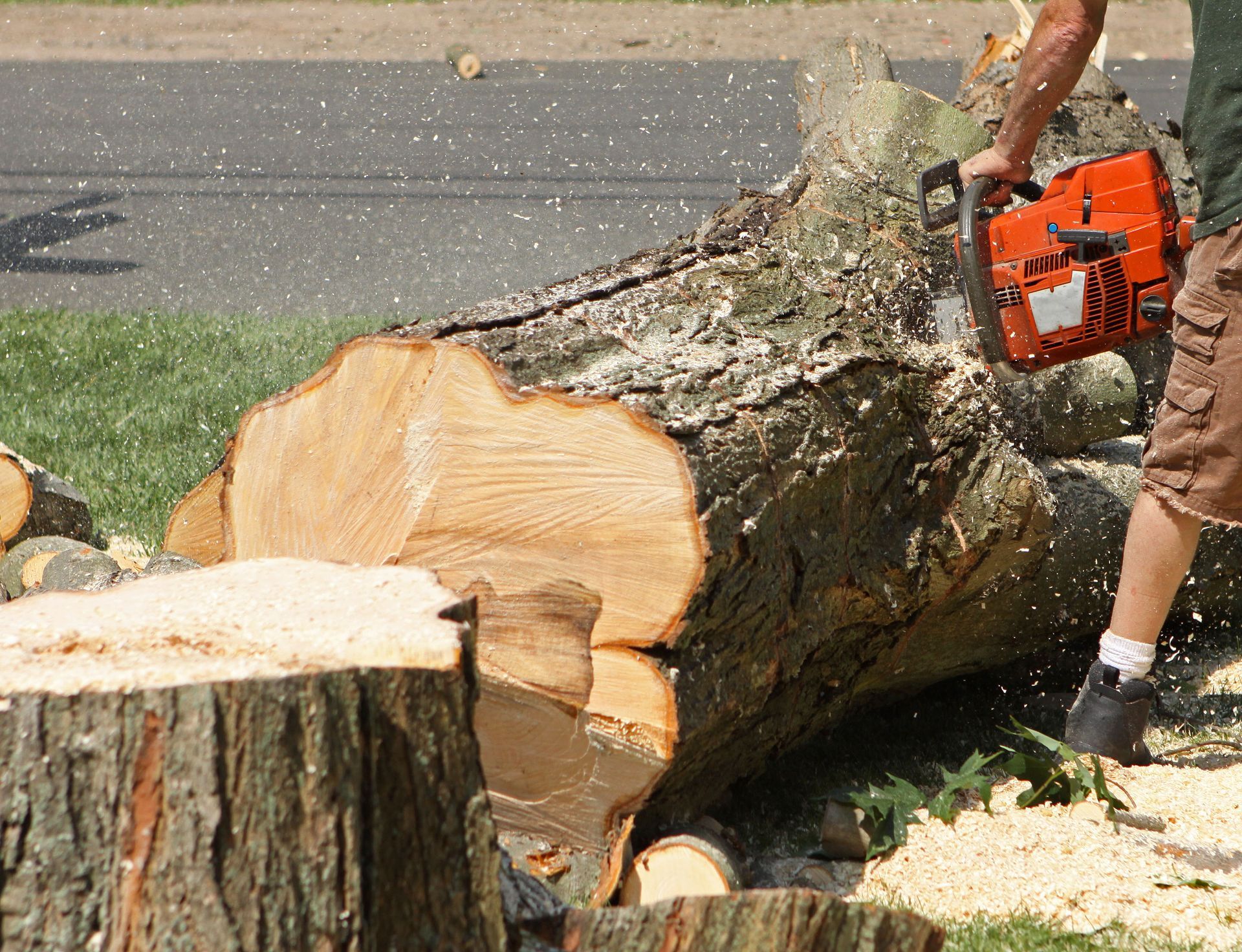
Precision is paramount in tree cutting, where the wrong cut can adversely affect a tree's health or lead to dangerous structural imbalances. Professional arborists use specialized tools designed for specific tasks, ensuring cuts promote healthy growth patterns. Besides, these tools often require expert handling to operate safely and efficiently, underscoring the need for professional intervention. DIY attempts often lack the precision offered by professionals, potentially resulting in unwanted damage. Ensuring the well-being of trees requires an amalgamation of the right tools in the right hands.
Safety Gear and Protocols
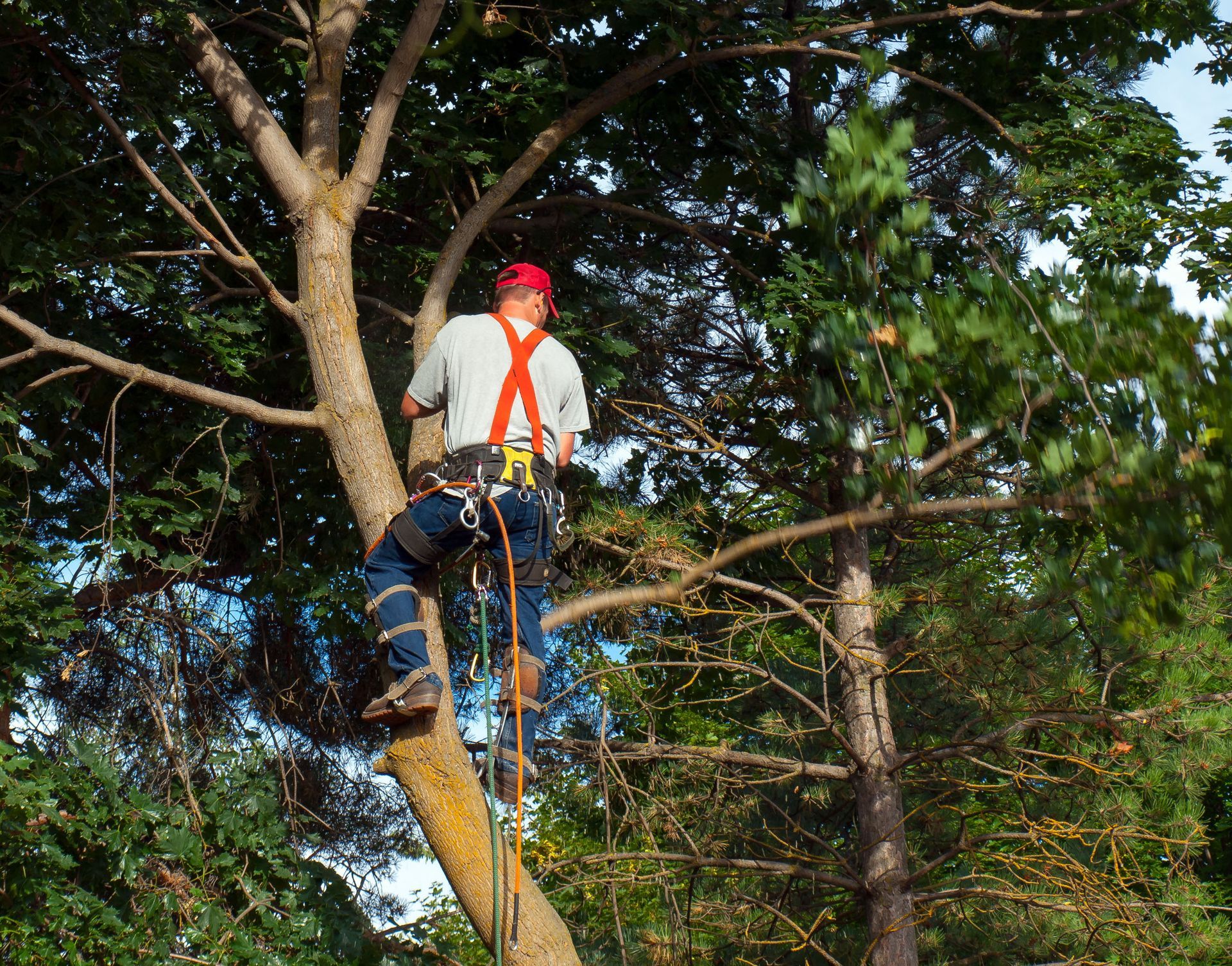
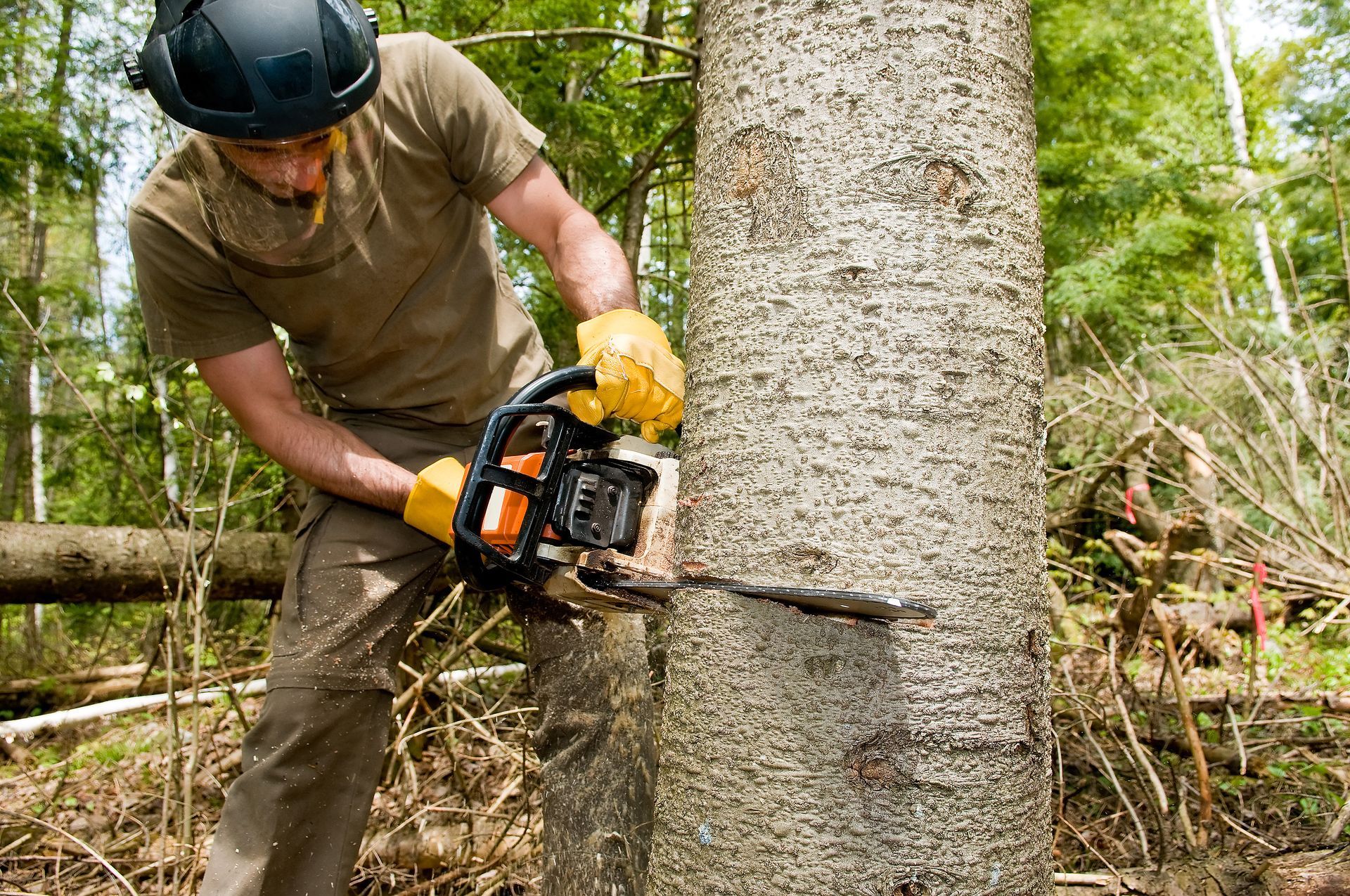
Leveraging safety gear and protocols is indispensable when performing tree services, given the high-risk environments often encountered. Tree care professionals utilize comprehensive gear including helmets, harnesses, and cut-resistant gloves to mitigate injury risks during operations. Protocols are also outlined to ensure that every action taken aligns with safety standards and legal requirements. According to the Occupational Safety and Health Administration, three common hazards associated with tree care include power lines, falling branches, and faulty safety equipment, emphasizing the need for adherence to protocols. Such preparation significantly minimizes risks and ensures safe execution of tasks.
Handling Large and Hazardous Trees
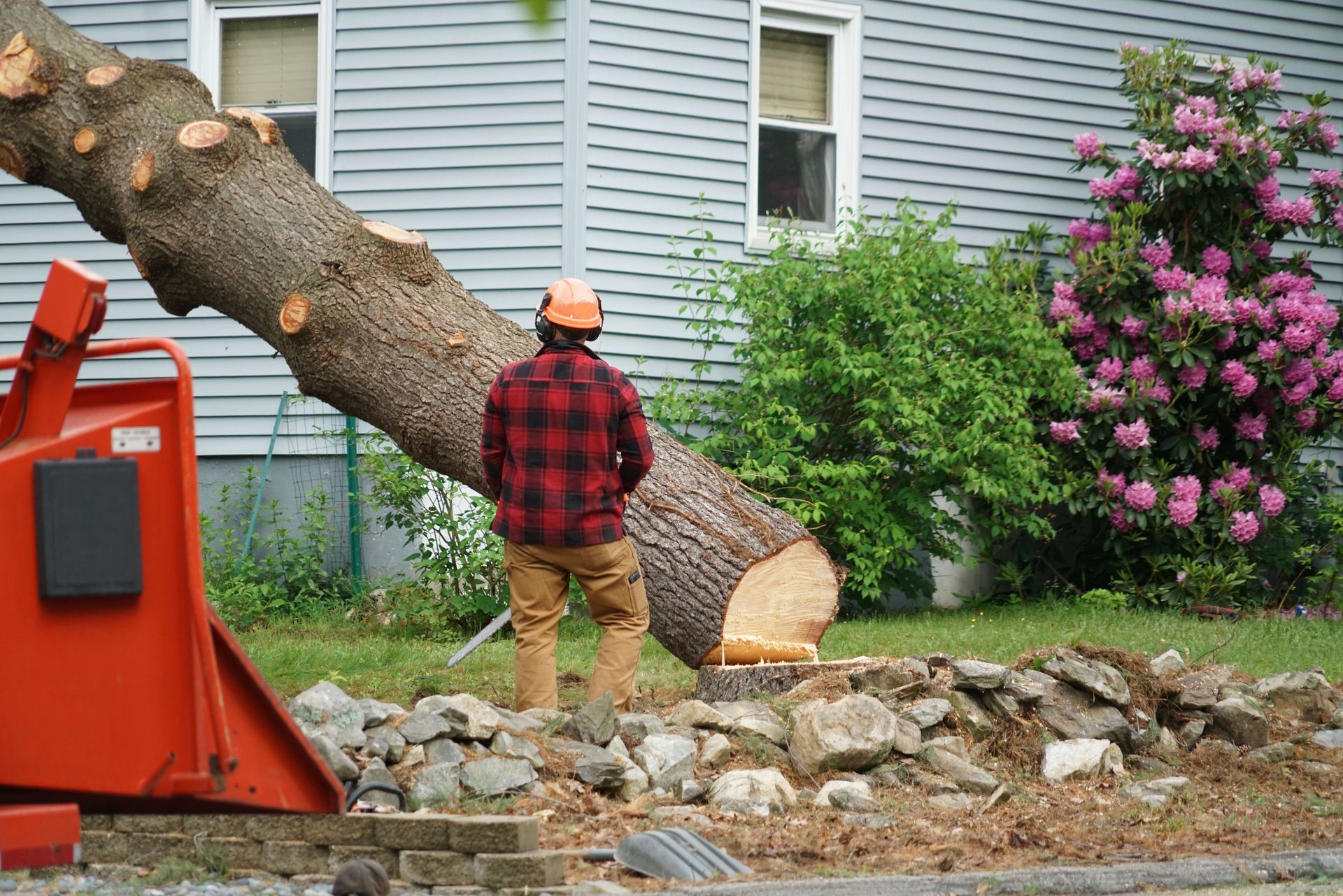
Large trees pose substantial challenges due to their size, weight, and potential to cause significant damage if improperly managed. Handling requires not only physical strength but also strategic planning customized for each tree's unique characteristics. Experts evaluate trees' health, structural soundness, and environmental impact factors to devise safe removal or pruning strategies. Untrained attempts to manage large trees frequently lead to accidents or property damage, emphasizing the value of professional expertise. Professionals can also anticipate unforeseen issues, adjusting techniques to ensure smooth and secure operations.
Stump Grinding and Removal Techniques
The removal of stumps involves far more than just elimination of unsightly remnants; it is a choreographed process ensuring minimal impact on the surrounding landscape. Professionals use stump grinders and other advanced tools to effectively remove stumps without causing soil disruption or harming surrounding vegetation. The choice of technique often depends on factors like stump size, location, and intended post-removal landscape use. DIY endeavors might fall short due to inadequate equipment or technique, leading to incomplete removal or landscape damage. Proper removal is essential for aesthetic coherence and for preparing the site for new plantings or construction.
Debris Disposal and Environmental Considerations
Debris disposal is a critical part of tree services, with potential environmental implications if not handled correctly. Professionals are equipped to manage disposal in environmentally responsible ways, recycling wood waste and managing mulch production for sustainable purposes. Such practices help reduce landfill load and repurpose tree wastes in ecologically sound manners. The use of professional services ensures compliance with environmental regulations, safeguarding both property and broader ecological systems. DIY attempts to dispose of debris can inadvertently lead to environmental harm if improper methods are employed.
Risk Management and Safety Concerns
Potential Hazards of DIY Tree Services
Engaging in DIY tree services introduces a spectrum of hazards that can endanger personal safety and property. Lacking professional training, homeowners risk mishandling equipment or underestimating the force involved in tree cutting operations. Risks also extend to property damage from falling branches or entire trees, emphasizing caution and professional insight. The danger associated with power lines, grounding, and potential falls further highlights the perils of untrained tree management. Investing in professional services allows property owners to delegate these dangers to trained individuals equipped to manage them safely.
Entrusting tree services to professionals benefits not just the property owner but also the environment and community at large. With the right skills and equipment, experts ensure safety, efficiency, and optimal tree health, making them indispensable in tree management. Emphasizing safety protocols and informed practices, professionals avert potential hazards and safeguard valuable tree resources. Their extensive expertise, strategic techniques, and commitment to environmental stewardship optimize tree benefits while preserving biodiversity and enhancing aesthetics. As stakeholders in community welfare and ecosystem services, professional arborists propel landscapes towards thriving, sustainable futures. Be sure to reach out to Mills Services today to learn more about our professional tree services!