October 2, 2026
Maintaining a safe, attractive residential or commercial property requires ongoing attention to the health and stability of mature landscaping. Trees add substantial aesthetic beauty, shade, and natural character to outdoor environments, but when a tree dies, it transforms from a valuable property asset into a persistent physical liability. Dead or dying trees undergo rapid internal structural decay, losing the flexibility, strength, and root stability necessary to withstand everyday weather conditions. As wood fibers deteriorate beneath the bark, standing dead timber becomes increasingly unstable, posing severe threats to surrounding structures, utility infrastructure, and human safety. Property owners often fail to recognize the extent of internal decay until a major failure occurs, making proactive tree evaluation an essential aspect of property management.
Ignoring standing dead timber increases the risk of unpredictable branch drops, trunk snaps, and total uprooting events during routine weather patterns or seasonal storms. Beyond the immediate danger of falling limbs, dead trees attract wood-boring pests, foster fungal growth, and create ongoing hazards for neighboring vegetation. Understanding how decaying timber compromises safety allows property owners to take preventative action before dangerous structural failures occur. Timely intervention ensures that dead or hazardous timber is removed safely before causing catastrophic property damage or personal injury. Seeking professional evaluation and scheduling necessary tree removals protects surrounding buildings, preserves healthy landscape elements, and maintains a secure outdoor environment for family members, employees, and visitors alike.
Risking Sudden Structural Collapse During Storms
Live trees possess strong, flexible wood fibers and robust root systems that allow them to bend under wind pressure and absorb impact forces from severe weather. In contrast, dead trees lose their natural moisture content and physical elasticity, causing wood fibers to become brittle, dry, and structurally compromised. Strong wind gusts, heavy rainfall, accumulation of ice, or heavy snowfall easily exceed the load capacity of decayed timber, resulting in sudden, violent trunk fractures or complete uprooting events.
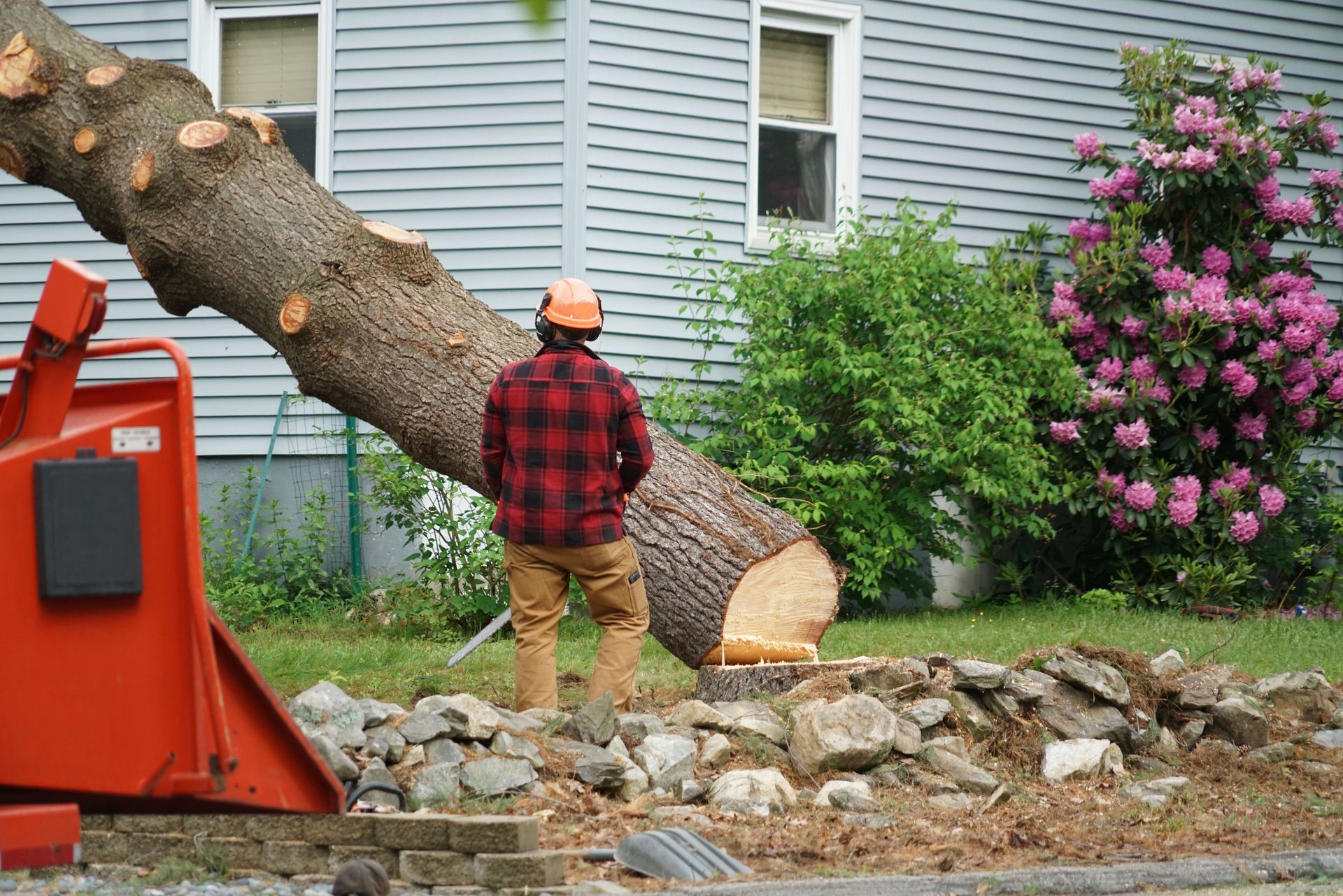
When a dead tree collapses during a storm, the direction of its fall is entirely unpredictable due to uneven internal decay and compromised root anchoring. Heavy falling trunks and large limbs can crush roof structures, demolish vehicles, flatten boundary fencing, and severely injure individuals nearby. Professional tree removals are essential for eliminating unstable timber before severe weather strikes, preventing unexpected structural collapses during seasonal storms and protecting surrounding residential or commercial structures from devastating physical impacts.
Threatening Nearby Utility Lines and Infrastructure
Dead trees situated near overhead utility lines represent a continuous danger to local electrical distribution, telecommunication cables, and surrounding neighborhood safety. According to WifiTalents, nearly 80% of urgent tree removals stem from invasive organisms that weaken internal plant structures. When invasive pests or diseases kill a tree, the decay process accelerates rapidly, increasing the likelihood of sudden branch detachment near power corridors. As decaying branches lose structural integrity, even light wind movements can dislodge heavy limbs directly onto active electrical wires.
Falling limbs can sever electrical wires, spark localized fires, cause widespread power outages, and expose residents to hazardous live electrical cables dangling near ground level. Coordinated tree removals around utility corridors ensure that dead limbs are cleared safely using specialized equipment and controlled dropping techniques. Clearing compromised limbs near power infrastructure eliminates power interruption risks and prevents electrical hazards in surrounding communities, protecting nearby households and municipal systems.
Spreading Pests and Dangerous Fungal Pathogens
Dead trees serve as primary breeding grounds and shelter for destructive wood-boring insects, including carpenter ants, termites, bark beetles, and wood-boring larvae. As these pest populations multiply within decaying timber, they continuously seek new food sources, eventually migrating from dead trees toward neighboring healthy vegetation, wooden fencing, detached garages, and primary residential structures. Allowing a dead tree to remain standing creates a permanent pest reservoir on your property.
In addition to harboring destructive insects, decaying timber fosters dangerous fungal pathogens that produce airborne spores capable of infecting surrounding healthy plants. Fungal decay compromises the root systems and inner wood of adjacent trees, creating secondary hazard zones throughout your landscape. Arranging timely tree removals stops pest infestations from spreading, prevents fungal spore distribution, and preserves the overall health and longevity of your remaining living landscape features.
Creating Unpredictable Hazards for Pedestrians and Vehicles
Standing dead trees positioned along driveways, walkways, parking areas, or property boundaries pose constant physical threats to vehicles and pedestrians passing beneath them. Unlike healthy branches that show visible bending under stress, dead branches can snap cleanly without warning, even on calm, windless days. Heavy deadwood falling from high canopies exerts tremendous kinetic energy upon impact, capable of causing severe head injuries, physical trauma, or catastrophic vehicular damage.
Property owners maintain a legal responsibility to keep public pathways and private grounds safe for visitors, delivery personnel, and passersby. Allowing a known dead tree to hang over active pedestrian or vehicle zones creates substantial liability exposure if an unexpected limb drop causes personal injury or property damage. Proactive tree removals eliminate these hazardous canopy conditions, ensuring that driveways, walkways, and recreational outdoor areas remain safe for daily use.
Accelerating Underground Root Decay and Soil Instability
While visible aboveground branches decay rapidly, the underground root system of a dead tree undergoes a parallel process of decomposition. Healthy roots bind soil particles together, creating a stable underground matrix that supports the weight of the tree and prevents soil erosion. As root tissues die and decompose, underground voids form, compromising soil compaction and weakening the anchor system that keeps the heavy trunk upright.
Underground root decay creates extreme instability, making the tree susceptible to sudden soil failure and complete uprooting during periods of heavy rain or saturated ground conditions. Saturated soil loses its grip on decomposing root fragments, allowing heavy standing timber to tip over unexpectedly. Executing professional tree removals before root decay reaches advanced stages prevents ground collapse, stabilizes surrounding soil structure, and eliminates the risk of massive uprooting events.
Complicating Removal Procedures Through Progressive Decay
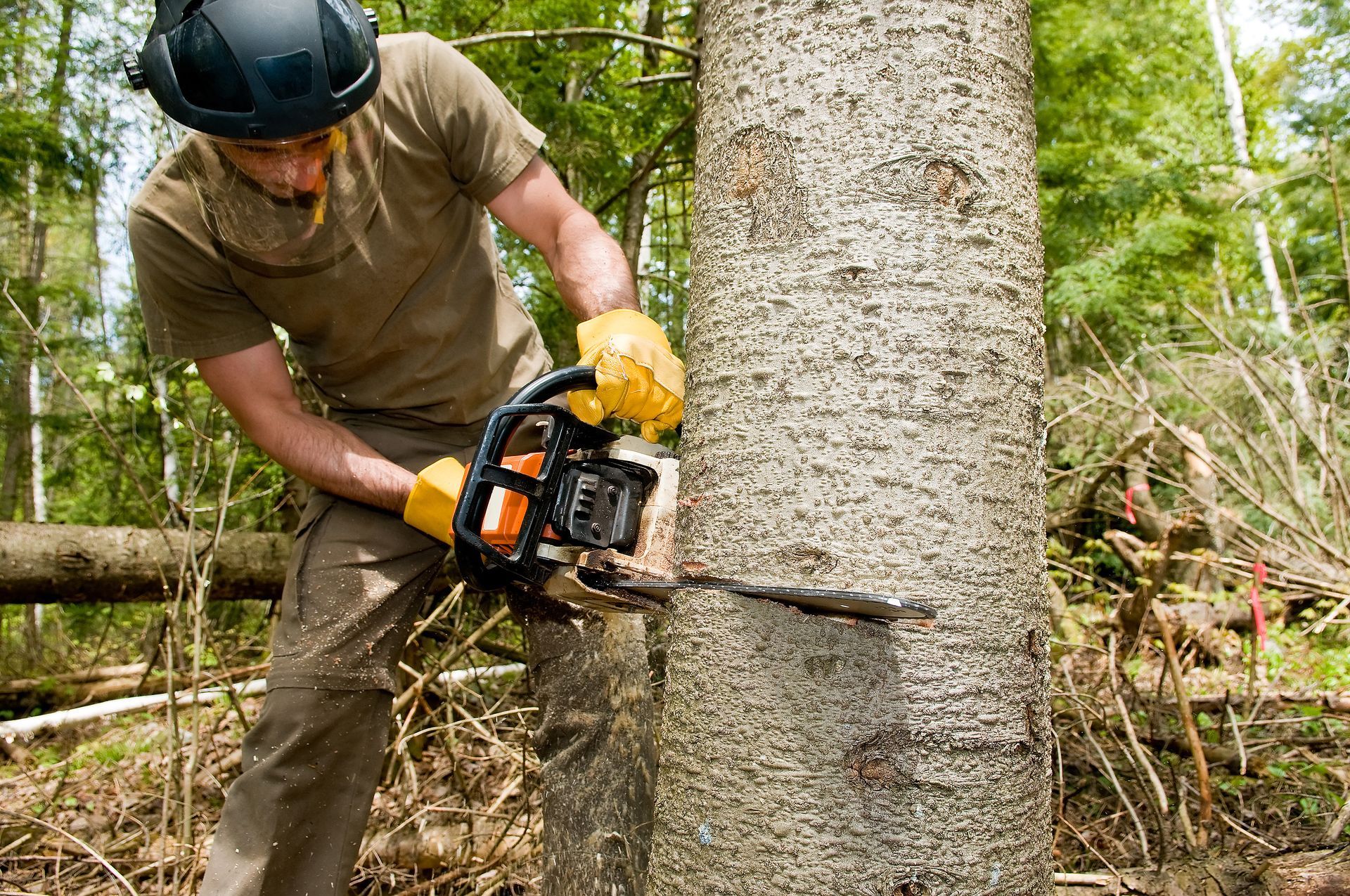
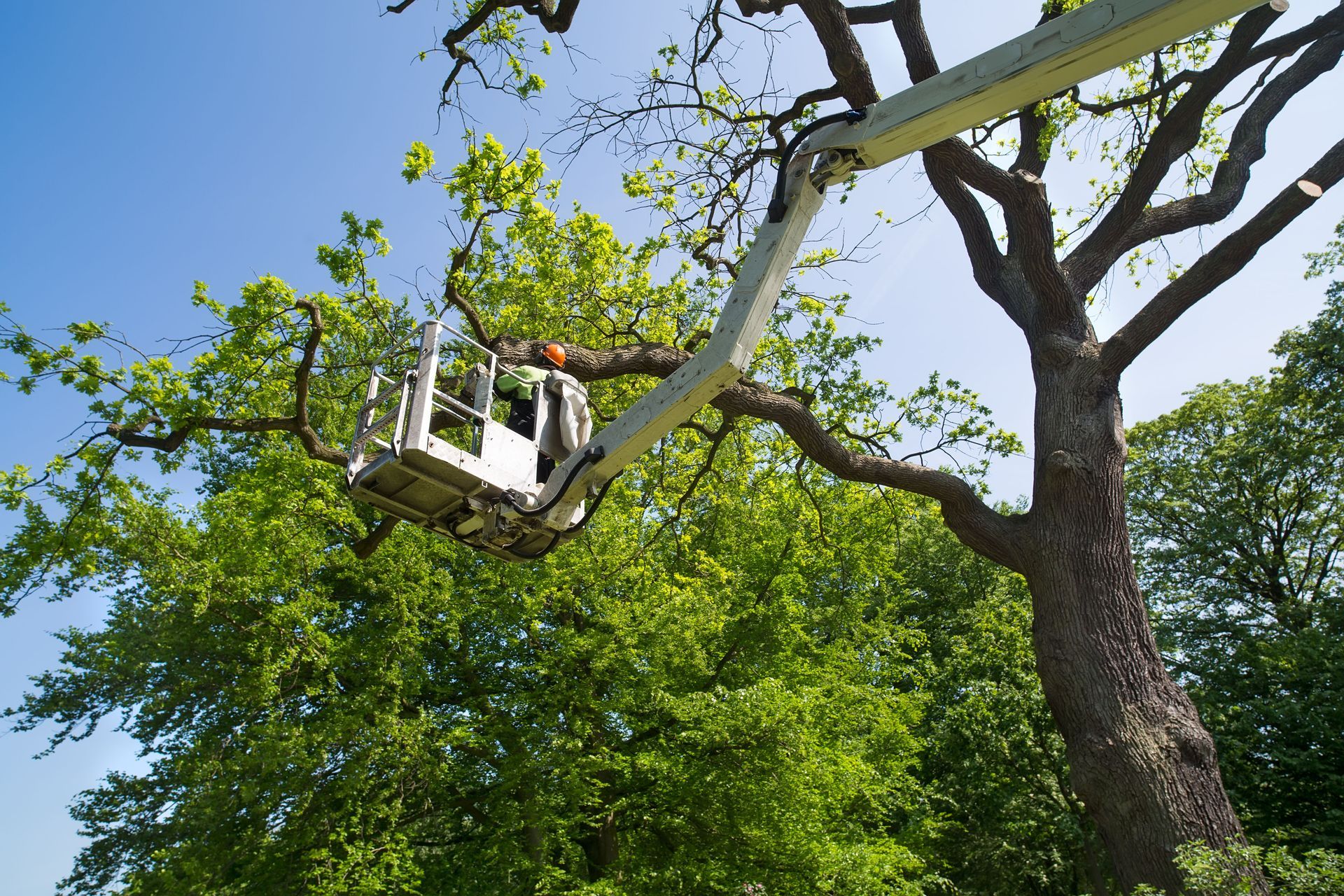
Postponing the extraction of a dead tree makes the eventual removal process far more dangerous and technically complex. As wood decay advances, the tree becomes too brittle and structurally unsound to support standard climbing rigging or heavy lowering equipment. Technicians cannot safely climb severely decayed timber or anchor rigging lines to brittle branches, often requiring specialized crane equipment or aerial lifts to dismantle the tree safely piece by piece.
Addressing standing dead timber promptly, while structural wood retains basic physical integrity, allows arborists to perform controlled, standard extraction procedures efficiently. Delaying necessary extraction services increases operational hazards for work crews and complicates spatial maneuvering near nearby buildings or delicate landscape features. Scheduling early removal ensures the safest extraction methods can be utilized, protecting surrounding structures and minimizing disruption to your outdoor environment.
Standing dead trees pose severe safety risks to residential and commercial properties, threatening buildings, power lines, vehicles, and human safety through unpredictable collapses, falling limbs, pest infestations, and root failures. Ignoring decaying timber allows structural weaknesses to worsen over time, converting a manageable landscape concern into an immediate emergency hazard during severe weather.
Taking action on tree removals early prevents unexpected property damage and guarantees complete peace of mind for your household or business. If you are ready for professional property care and want to eliminate hazardous timber safely, contact us at Mills Services today. We will help you maintain a safe, functional, and beautifully managed outdoor space.