July 14, 2026
Trees add beauty, shade, and value to residential and commercial properties, but they're also surrounded by plenty of myths. Many homeowners believe tree care is only necessary when something goes wrong, while others assume all trees can be maintained the same way. Unfortunately, these misconceptions can lead to unhealthy trees, unnecessary expenses, and even dangerous situations. Understanding the facts helps property owners make informed decisions that protect both their landscapes and people. Whether you're maintaining mature oaks or newly planted ornamentals, working with a professional tree service can make a significant difference in the health and longevity of your trees.
Misconception 1: Trees Only Need Attention When They're Dying
One of the biggest misconceptions about tree care is that healthy-looking trees don't require maintenance. In reality, trees benefit from consistent attention throughout their lives, not just when obvious problems appear. Like any living part of your landscape, trees experience seasonal changes, environmental stress, and natural aging that can affect their overall health over time. Taking a proactive approach helps preserve their beauty, strength, and longevity while reducing the likelihood of unexpected issues developing in the future. Regular inspections allow professionals to identify issues such as fungal diseases, insect infestations, structural weaknesses, or nutrient deficiencies before they become severe. Small problems are often much easier and less expensive to correct than major damage caused by neglect.
Routine maintenance also includes pruning dead or damaged limbs, monitoring root health, and evaluating soil conditions. These proactive measures encourage healthy growth while reducing the likelihood of unexpected branch failures during storms. Scheduling periodic visits from a qualified tree service helps keep your landscape healthy instead of simply reacting when emergencies occur.
Misconception 2: More Pruning Is Always Better
Many people believe aggressive pruning encourages faster growth, but excessive trimming can actually stress a tree and compromise its health. Every cut removes living tissue, and removing too much at once forces the tree to divert energy toward recovery instead of healthy development. Over time, repeated excessive pruning can leave a tree more susceptible to environmental stress and reduce its natural ability to thrive. Proper pruning focuses on improving the tree's structure and health rather than simply removing as many branches as possible.
Trees rely on their leaves to produce energy through photosynthesis. Removing too much of the canopy reduces the tree's ability to create food, leaving it more vulnerable to disease, pests, and environmental stress. Improper pruning techniques can also create large wounds that invite decay. Instead of making a tree healthier, over-pruning may shorten its lifespan and weaken its structural integrity. Professional arborists understand how much foliage can safely be removed and which branches should be trimmed to improve appearance, safety, and long-term growth.
Misconception 3: Topping Trees Makes Them Safer
Tree topping, or the practice of cutting off the upper portion of a tree, is often performed because people believe it reduces the risk of falling branches or makes trees easier to manage. In reality, topping is one of the most harmful pruning practices.
When a tree is topped, it responds by producing numerous fast-growing shoots that are weakly attached to the remaining branches. These new limbs often become more likely to break during high winds or heavy snow. Topping also leaves large wounds that can become entry points for insects and decay organisms. The resulting stress often shortens the tree's lifespan while creating additional maintenance needs.
Instead of topping, a tree service will recommend selective pruning that maintains the tree's natural structure while reducing hazards. This approach involves carefully removing specific branches that are dead, damaged, diseased, or interfering with healthy growth while preserving the overall shape and strength of the tree. Selective pruning also improves air circulation and sunlight penetration throughout the canopy, which can promote healthier growth and reduce the risk of certain diseases. By making thoughtful, strategic cuts rather than drastic ones, arborists help trees remain safer, stronger, and more attractive for years to come.
Misconception 4: Tree Roots Destroy Everything Nearby
It's common to blame tree roots for cracked sidewalks, damaged foundations, or broken underground utilities. While roots can contribute to these problems under certain conditions, they're often unfairly blamed.
Tree roots typically grow where oxygen, moisture, and nutrients are available. Rather than actively seeking to damage structures, they follow the path of the least resistance. Existing cracks in sidewalks or aging sewer lines frequently provide opportunities for roots to grow into already weakened areas.
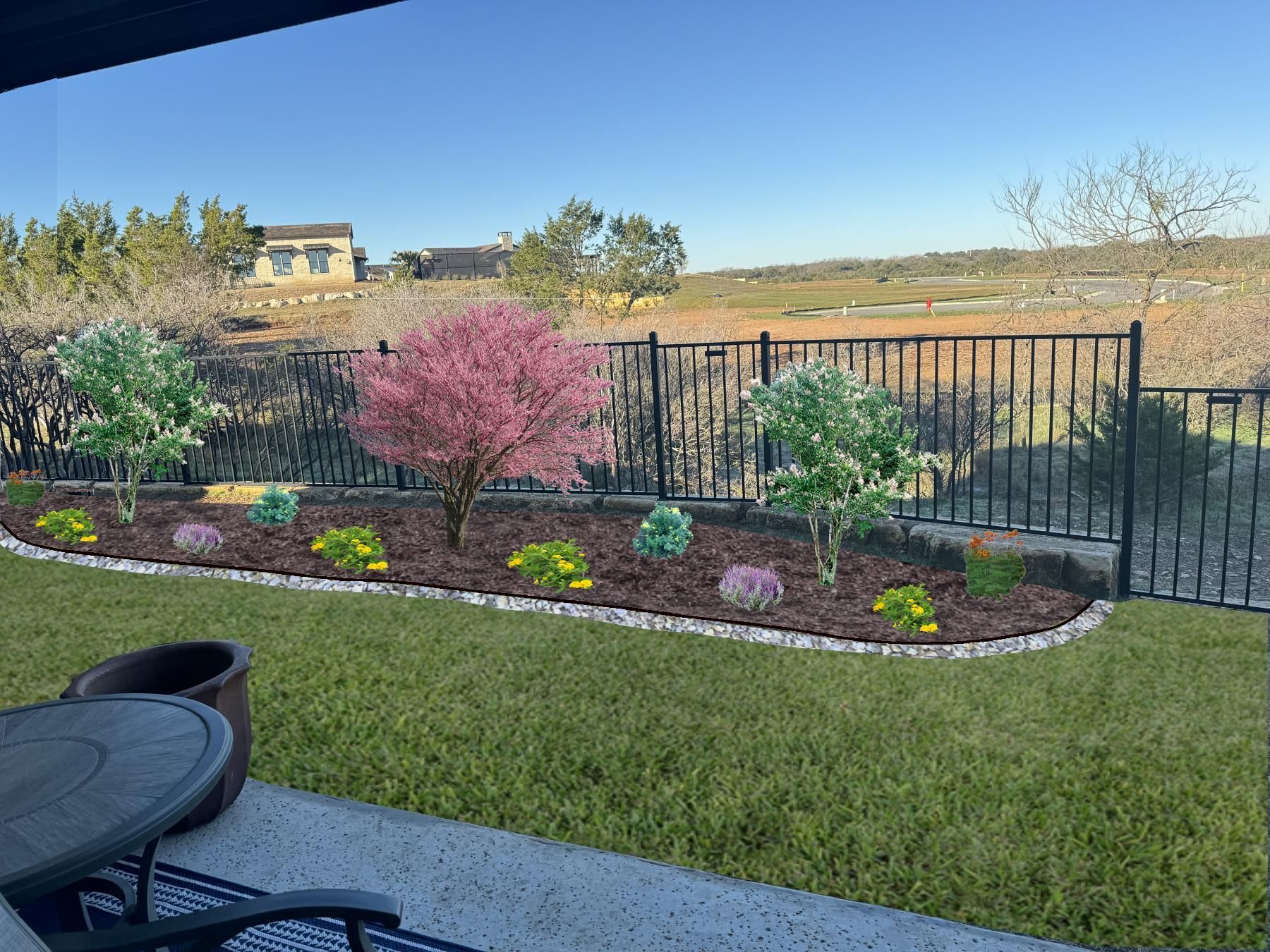
Choosing the right tree species, planting trees at an appropriate distance from buildings, and monitoring root development can significantly reduce potential conflicts. Professional evaluations from a tree service help determine whether roots are actually causing damage or whether another underlying issue exists.
Misconception 5: All Trees Can Be Cared for the Same Way
Every tree species has unique needs regarding watering, pruning schedules, soil conditions, and pest management. Treating every tree the same can unintentionally create health problems. For example, some trees thrive in consistently moist soil, while others prefer drier conditions. Certain species require regular structural pruning during their early years, while others benefit from minimal intervention.
Climate, age, soil composition, and surrounding landscaping also influence proper care practices. Newly planted trees have different watering requirements than mature trees, and ornamental species may require specialized pruning techniques.
An experienced tree service develops maintenance plans based on each tree's specific needs rather than applying a one-size-fits-all approach. Factors such as the tree's species, age, size, location, and overall condition all influence the type and frequency of care it requires. Professionals also consider environmental conditions, including soil quality, nearby structures, and exposure to sun and wind, when making recommendations. A customized maintenance plan helps each tree receive the appropriate care at the right time, supporting healthy growth while reducing the risk of preventable problems.
Misconception 6: DIY Tree Care Is Just as Safe as Professional Work
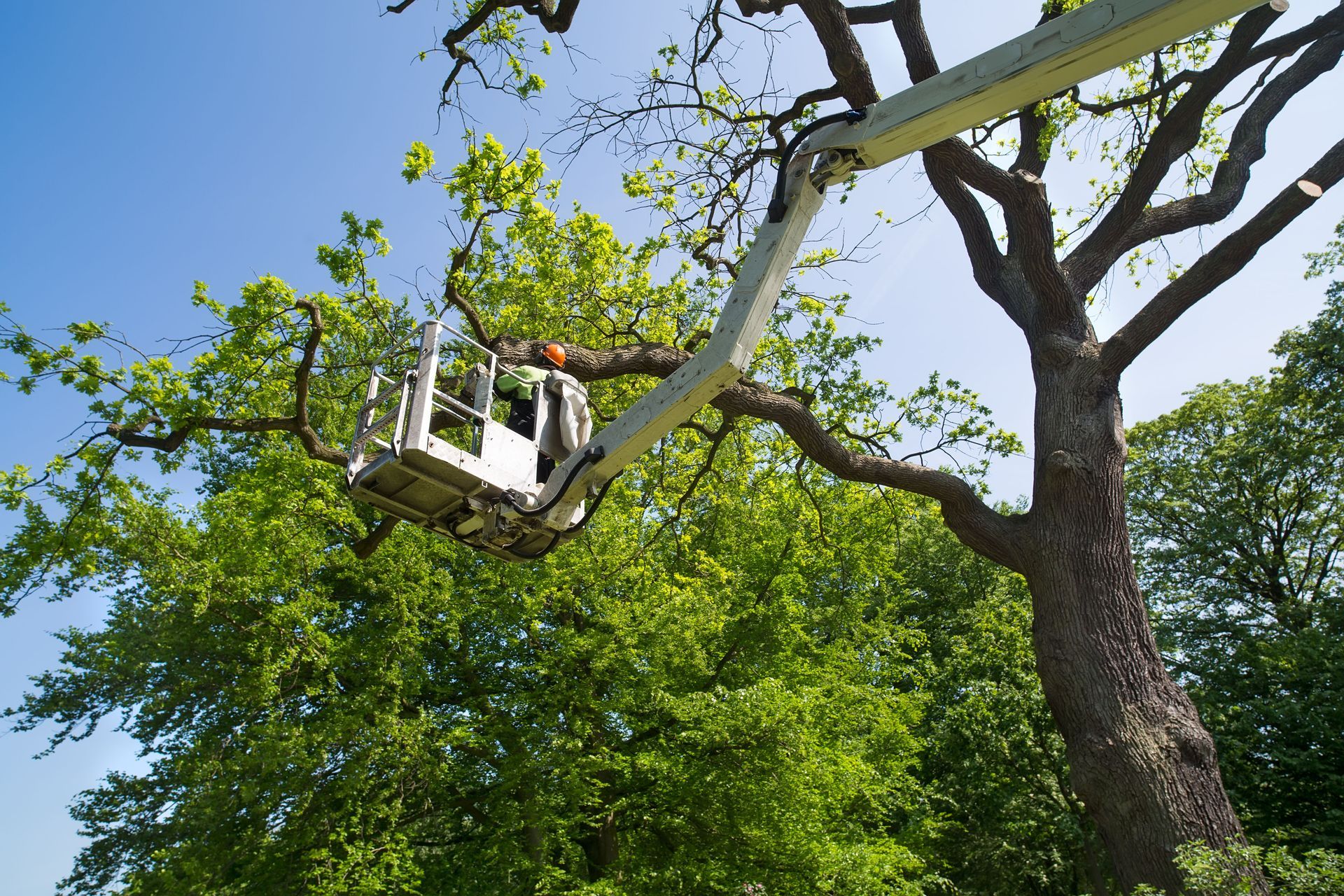
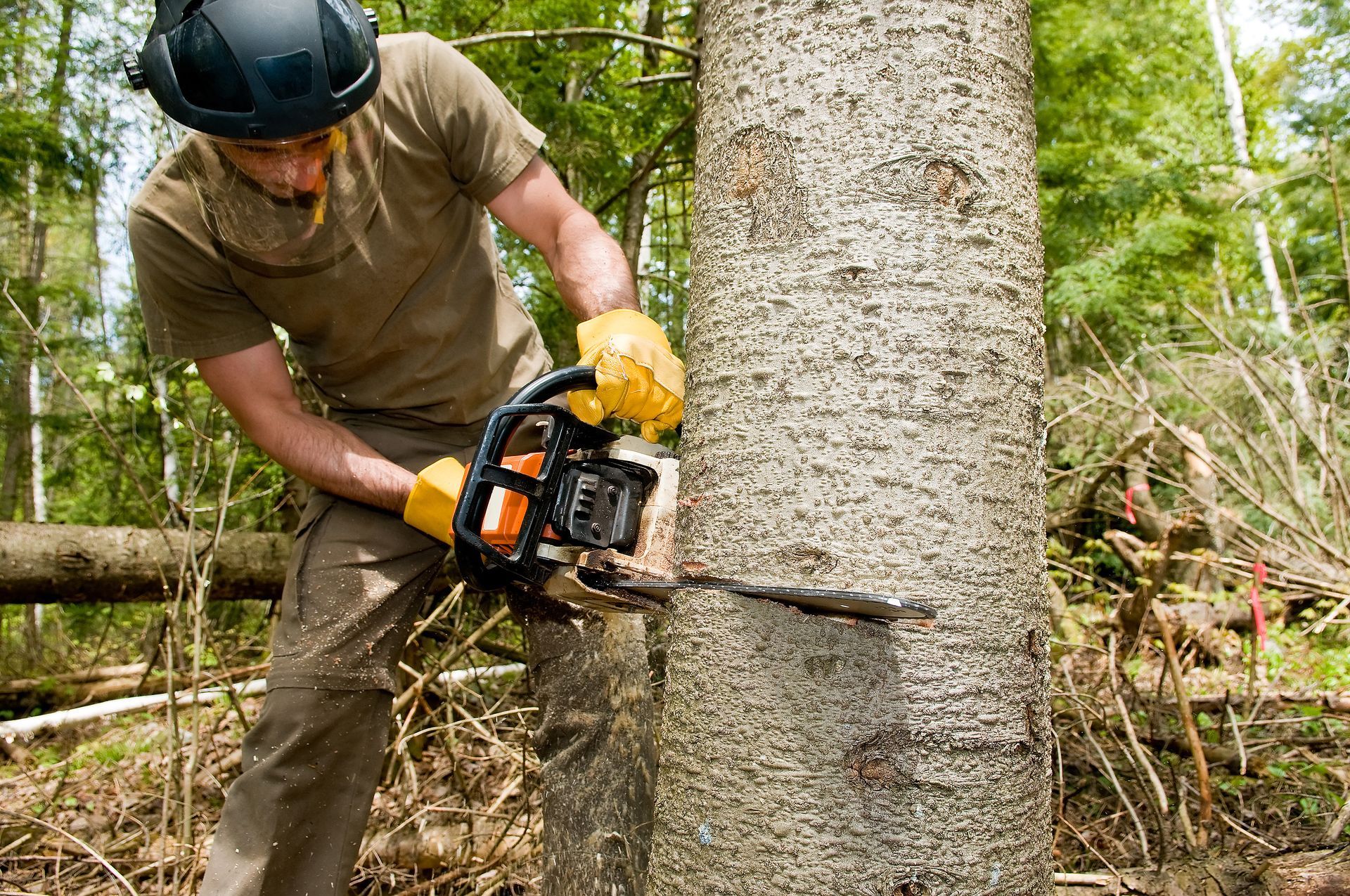
Many homeowners enjoy tackling outdoor projects, but tree work presents unique safety risks that shouldn't be underestimated. Climbing tall trees, operating chainsaws, removing heavy limbs, and working near electrical lines require specialized equipment and extensive training. Even experienced DIY enthusiasts can encounter unpredictable situations when branches shift unexpectedly or internal decay weakens a tree's structure.
According to the Occupational Safety and Health Administration, three common hazards associated with tree care include power lines, falling branches, and faulty safety equipment. Professional crews use industry-approved climbing systems, protective equipment, specialized rigging, and safe cutting techniques to minimize these risks. They also understand how to safely remove large limbs without damaging nearby homes, fences, or landscaping. Hiring trained professionals often protects both your property and your personal safety.
Misconception 7: Healthy Trees Never Fall
A tree with green leaves and a full canopy may appear perfectly healthy while hiding serious structural issues. Internal decay, root damage, soil instability, previous storm damage, and hidden cracks can weaken a tree without showing obvious external symptoms. Even vigorous trees occasionally fail during severe weather if unseen defects are present.
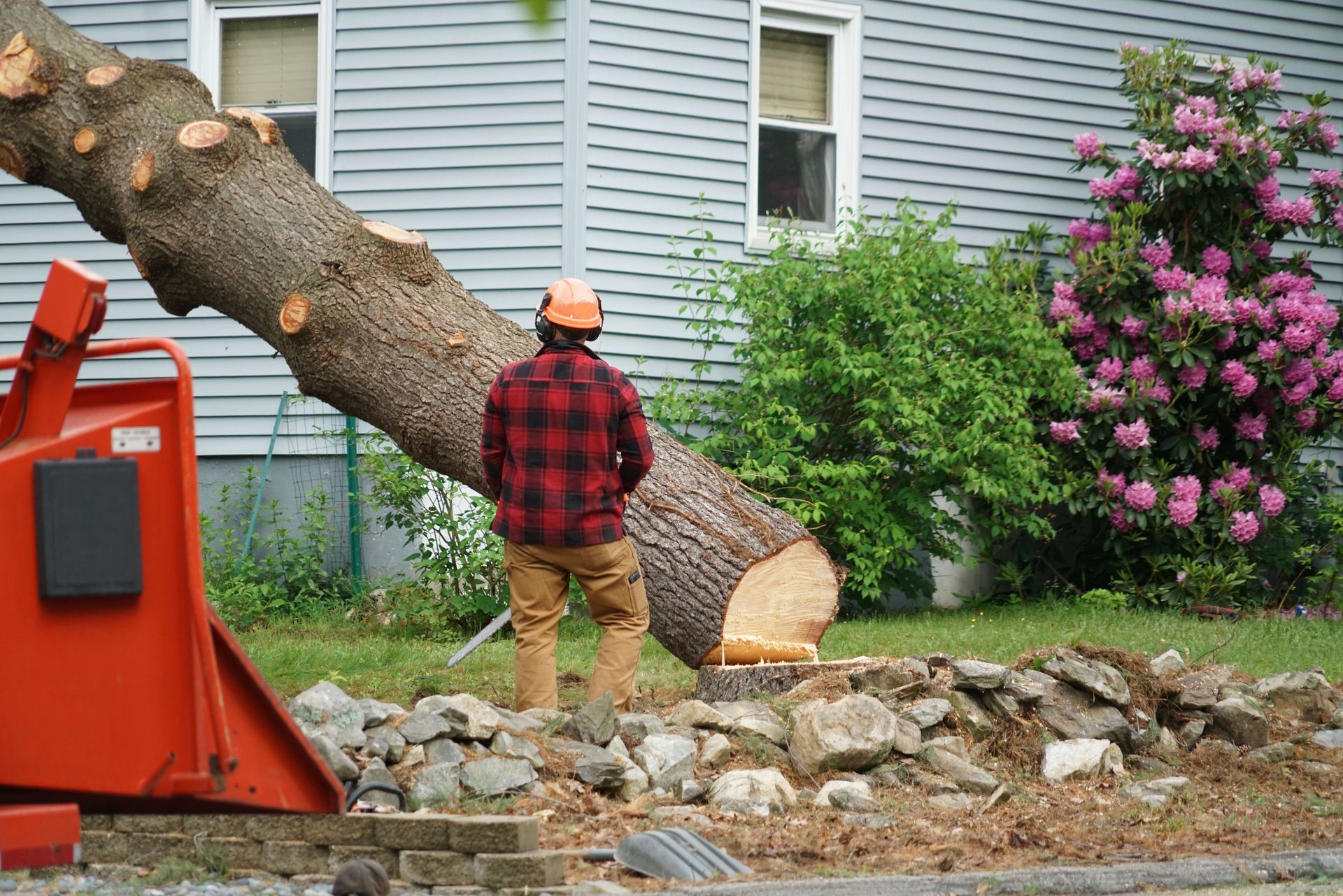
Early detection allows arborists to recommend corrective pruning, cabling, bracing, or removal before a hazardous failure occurs. Regular evaluations provide peace of mind while helping preserve valuable trees whenever possible.
Tree care involves much more than trimming branches or removing dead trees after storms. Understanding the truth behind these common misconceptions helps homeowners make better decisions that improve tree health, protect property, and reduce safety risks. Preventive maintenance, proper pruning, species-specific care, and professional evaluations all contribute to stronger, longer-lasting landscapes. Whether you have one mature shade tree or an entire property filled with valuable greenery, partnering with a trusted tree service like Mills Services helps your trees remain healthy, beautiful, and safe for years to come. Reach out to us today to get started.